
How to Propagate Jade Plants: Step-by-Step Guide
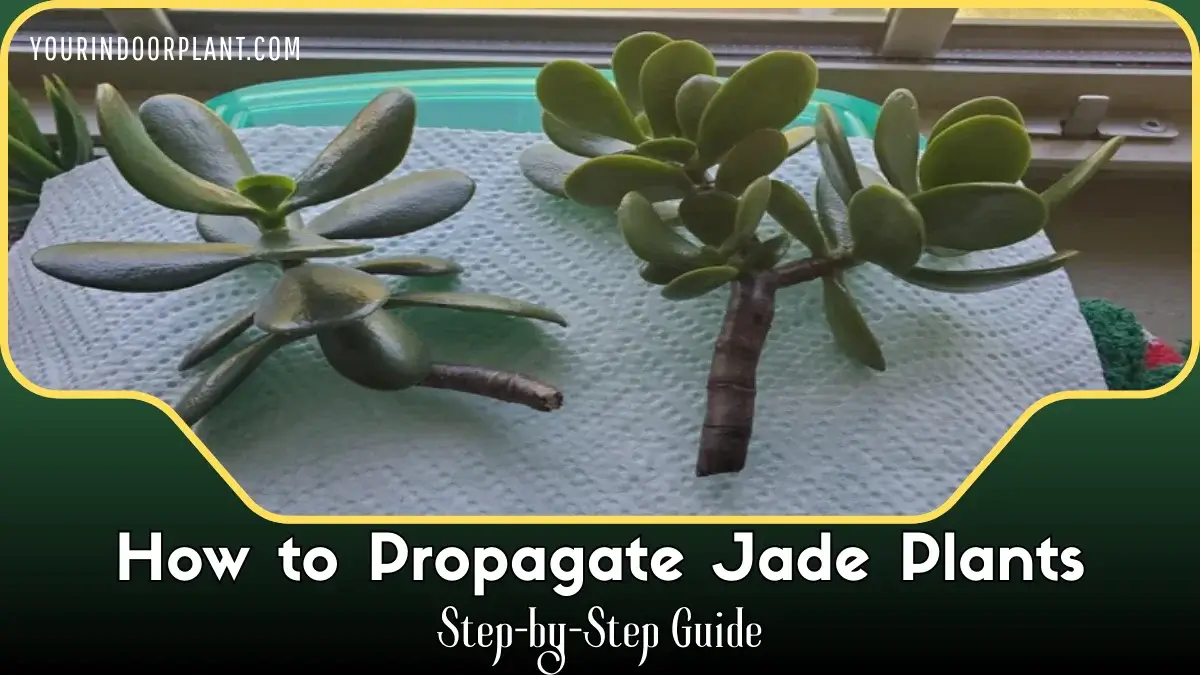
If you’ve ever looked at your jade plant and thought, “I wish I had three more of you,” propagation is truly the easiest way to make that happen. Jade plants root surprisingly fast, and you can grow new plants from both stem cuttings and individual leaves. Here’s exactly how to propagate jade plants in a simple, mess-free way I’ve used for years. Now let’s walk through everything step by step.
Yes, you can propagate jade plants from either stem cuttings or leaves. The fastest method is stem cuttings, which usually root in 1–3 weeks once the cut end has dried (callused) and is planted in fast-draining soil.
Why Propagating Jade Plants Works So Well
Jade plants are naturally slow growers, but they’re enthusiastic rooters. When a healthy stem or leaf is cut, the plant seals the wound and begins forming tiny root nubs. Give that cutting warmth, bright light, and a gritty soil mix, and it almost always takes off.
This makes jade propagation a great project for beginners and anyone wanting to expand their collection—or gift cute baby jades to friends.
Types of Jade Plant Propagation
1. Stem Cutting Propagation (Fastest & Most Reliable)
If you want a fuller, faster-growing plant, stem cuttings are the way to go. They root quickly and produce a plant that looks established sooner.
2. Leaf Propagation (Fun but Slower)
Leaf propagation works too, but it requires patience—tiny roots form first, then a baby plant slowly emerges at the base. This can take several weeks to months.
When to Propagate Jade Plants
The best time to propagate jade plants is spring through late summer, when temperatures and daylight naturally encourage faster rooting. You can propagate in winter, but everything slows down—kind of like a sleepy reptile on a cold rock.
If your home tends to be dry, a small humidity dome or even an open plastic container can help, but keep it ventilated so the cuttings don’t rot.
How to Propagate Jade Plants from Stem Cuttings
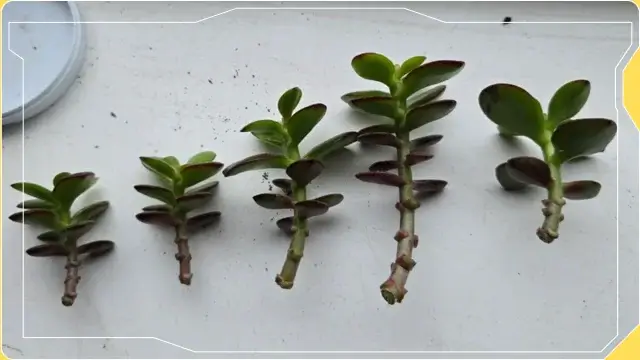
1. Take Your Cutting: Choose a healthy branch. I usually go for a segment that’s 3–6 inches long with plump leaves. Use clean, sharp pruners and cut just above a leaf node so the parent plant can resprout naturally.
2. Remove Lower Leaves: Pluck off the bottom few leaves so about 1–2 inches of bare stem is exposed. That’s where the new roots will grow.
3. Let the Cutting Callus (Important!): This is one of the biggest mistakes beginners skip. Let the cutting dry on a paper towel for 24–72 hours. The cut end will form a seal that protects against rot once planted.
If the stem feels rubbery or bends easily, let it dry longer.
4. Plant in Gritty, Fast-Draining Soil
Use a mix made for succulents or blend your own:
- 50% succulent soil
- 50% pumice or perlite
Set the cutting upright and gently press soil around it. No need to bury it deep—just enough to stand.
5. Give Bright, Indirect Light: This is where patience helps. Keep the soil barely moist, but don’t water heavily until roots form.
How to Propagate Jade Plants from Leaves
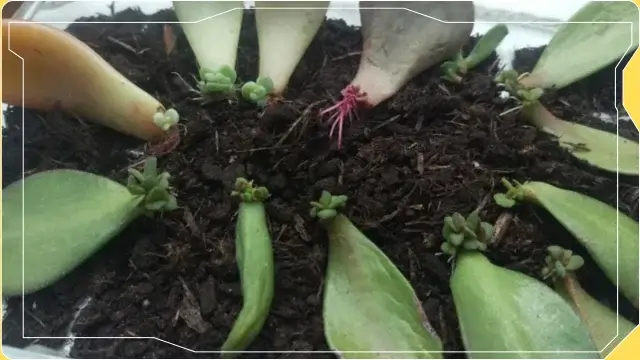
1. Choose a Healthy, Plump Leaf: Gently twist and pull so the whole base of the leaf comes off. If part of the stem stays on the plant, the leaf won’t root reliably.
2. Let It Callus: Just like stem cuttings, leaf cuttings need to dry and seal. Give them 1–2 days.
3. Lay or Slightly Bury the Leaf: You can: lay it flat on top of the soil, or tuck just the base into the mix. Both methods work—you’re simply waiting for tiny roots to emerge.
4. Mist Lightly Every Few Days: Leaf cuttings don’t like heavy watering. A fine spritz is enough until you see roots forming.
5. Baby Jade Formation: A mini rosette will eventually appear at the base. Once the original leaf wrinkles and dries, that’s normal—it’s feeding the new plant.
When to Repot Your New Jade Plant
Once your new jade has several inches of rooted growth and resists a gentle tug, it’s ready for its “forever pot.”
Use: • A terracotta pot (helps prevent overwatering) • A gritty, cactus-style potting mix
Water deeply, then allow the soil to fully dry before watering again. Jades are nothing if not stubbornly drought-tolerant.
Troubleshooting Jade Plant Propagation
- Why is my jade cutting shriveling? It’s drying out. Move it to slightly brighter shade and lightly mist the soil surface.
- Why is my jade cutting rotting? It was either overwatered or wasn’t callused long enough. Let future cuttings dry longer before planting.
- Can I propagate jade plants in water? Technically yes, but it’s not ideal. Jades root faster and grow more strongly in soil.
- Why are my jade leaves not rooting? Some leaves simply fail—choose plumper leaves and ensure the entire base (where roots form) is intact.
FAQs
-
Can you propagate a jade plant from a single leaf?
Yes. A healthy jade leaf can root and grow a tiny new plant with enough warmth and bright, indirect light.
-
How long does jade plant propagation take?
Stem cuttings root in 1–3 weeks. Leaf propagation takes several weeks to months.
-
Do I need rooting hormone for jade propagation?
It’s optional. Jades root well without it, but it can speed things up slightly with older or thicker stems.
-
What soil is best for propagating jade plants?
Use a fast-draining succulent or cactus mix with added pumice or perlite.
-
When is the best time to propagate jade plants?
Spring and summer offer the quickest success, but you can propagate anytime indoors with warmth and bright light.
Conclusion
Propagating jade plants is one of the easiest (and most rewarding) ways to expand your indoor garden. With a clean cut, a few days of drying, and the right gritty soil, you’ll have rooted baby jades in just a few weeks. Whether you’re growing a whole windowsill of jade cuttings or crafting little gifts for friends, this is one project I always recommend for beginners.
If you want to keep those new babies thriving, you might enjoy my full jade plant care guide or watering schedule for succulents—great next steps once your propagation project takes off.