
How to Prune a Jade Plant Correctly
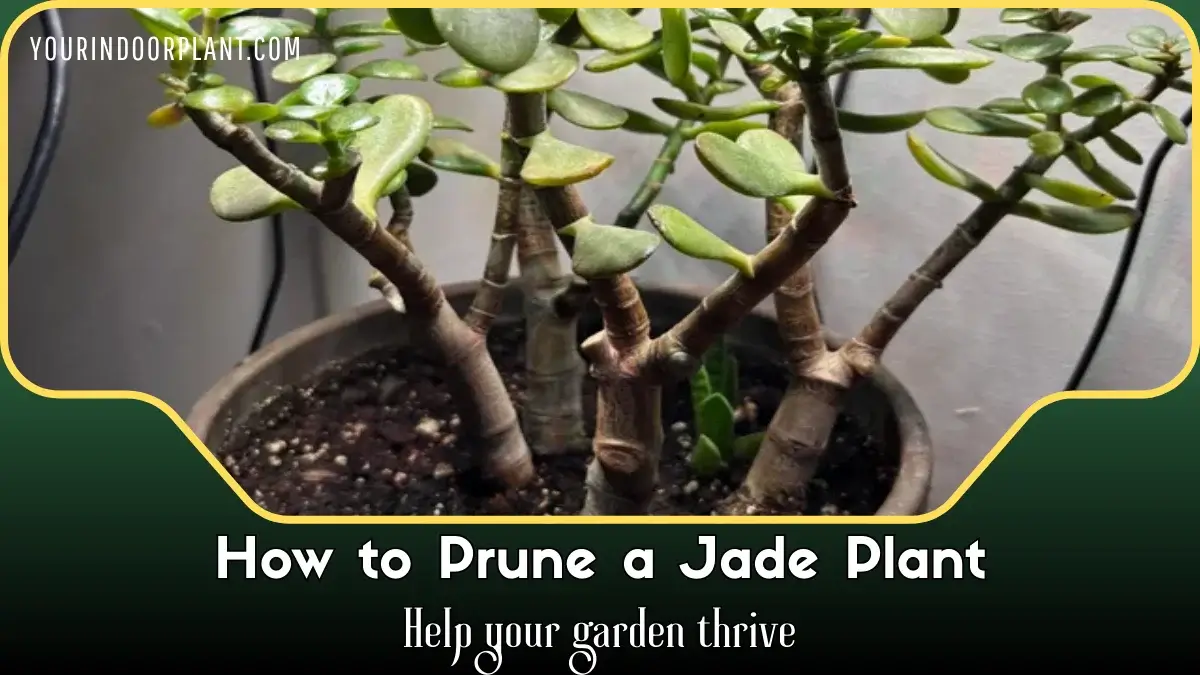
Pruning a jade plant (Crassula ovata) is the secret to transforming a “leggy,” drooping succulent into a sturdy, miniature tree. Because jades store water in their stems, they are heavy; without regular pruning, they often collapse under their own weight.
Here is the direct, step-by-step guide to pruning your jade plant correctly.
Quick Summary Guide
| Feature | Best Practice |
|---|---|
| Minimum Age | 1 Year Old |
| Best Season | Spring / Early Summer |
| Cut Location | 1/4 inch above a leaf node |
| Weight Balance | Prune for symmetry to avoid tipping |
| Healing Time | 2–3 days to callus before watering |
1. Timing and Readiness
The best time to prune a jade plant is in spring or early summer during its active growth phase.
- The One-Year Rule: Only prune jades that are at least one year old. Young plants need all their leaves to build a strong root system. Pruning too early can stunt the plant permanently.
- The Health Check: Look for a slight red tint on the leaf edges. This “sun-stress” is actually a sign of a vigorous plant with enough energy to bounce back quickly from a trim.
- Winter Warning: Avoid heavy pruning in winter when the plant is dormant, as wounds heal slowly and are prone to rot.
2. Tools and Techniques
You don’t always need heavy equipment to shape your plant.
- Cleaning: Always wipe your blades with rubbing alcohol before and after every cut to prevent spreading bacteria.
- Pinching (The Maintenance Method): For minor shaping, use your thumbnail and index finger to “pinch” off the tiny, new leaves at the very tip of a branch. This is less stressful than cutting and forces the plant to grow wider and bushier.
- Pruning (The Shaping Method): For thicker stems, use sharp bypass pruners or a knife. Avoid dull scissors that “crush” the water-filled tissue.
3. Where Exactly to Cut
The secret to a bushy jade is understanding nodes—the brown rings or “seams” along the stem.
- To Encourage Branching: Make your cut about 1/4 inch above a node.
- The Result: Two new branches will typically sprout from that node, doubling the thickness of your plant’s canopy.
- Angle: Cut at a 45-degree angle to prevent water from pooling on the flat surface of the wound.
4. The Step-by-Step Process
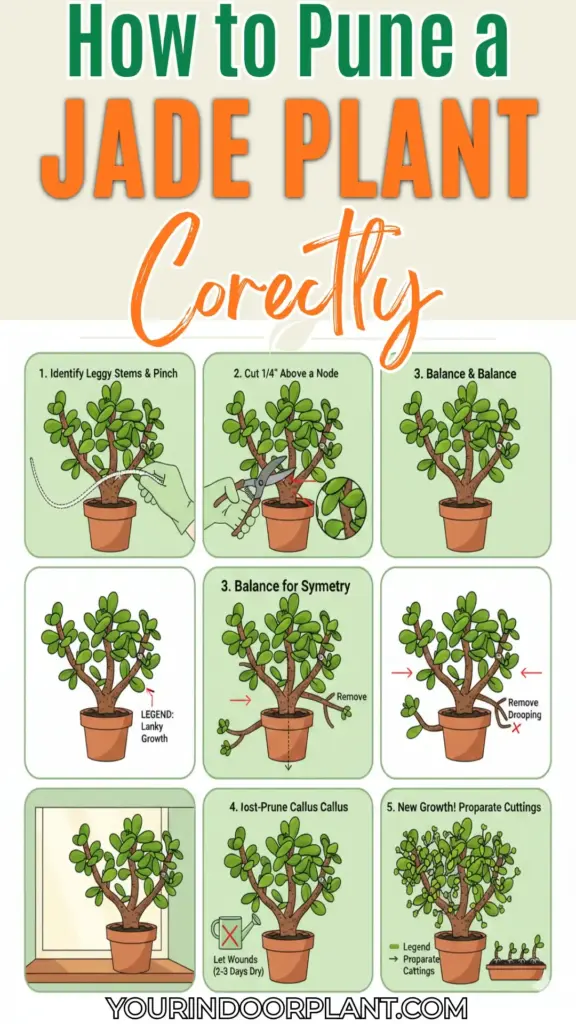
Step 1: Identify “Problem” Areas
Look for branches that are leggy (long and thin) or crowded (growing inward). If your jade is leaning, identify branches that are making it top-heavy.
Step 2: Balance the Weight
Jade plants have shallow roots. To prevent your plant from tipping over, prune for symmetry. If you cut a heavy branch on the left, check if a branch on the right needs a trim to keep the center of gravity stable.
Step 3: Follow the “30% Rule”
Never remove more than 20–30% of the plant’s foliage at once. Removing too much can shock the plant and stall growth for months.
Step 4: Post-Prune Care
- Dry Time: Wait 2–3 days before watering. This allows the wounds to “callus” (dry out), which is vital to prevent stem rot.
- Light: Place the plant in bright, indirect light to fuel the new growth.
Pro Tip: Don’t throw away your clippings! Let the cut ends dry for a few days, then stick them in a pot with succulent soil. They will grow into entirely new jade plants.
Final Word
Pruning your jade plant might feel intimidating at first, but it is the single most effective way to ensure your succulent lives for decades as a strong, beautiful centerpiece. By following these steps—using clean tools, cutting above the nodes, and allowing the plant to callus—you are setting your jade up for a lifetime of healthy, bushy growth.
Share the Greenery!
Did this guide help you feel more confident about picking up the shears? If so, share this article with your fellow plant lovers! Whether they have a leggy jade that needs a “haircut” or they are just starting their succulent journey, sending them this guide is a great way to help their garden thrive. Simply copy the link or hit the share button to spread the knowledge!