
10 Shade Plants That Thrive in the Heat: The Expert Guide to Thermal Resilience
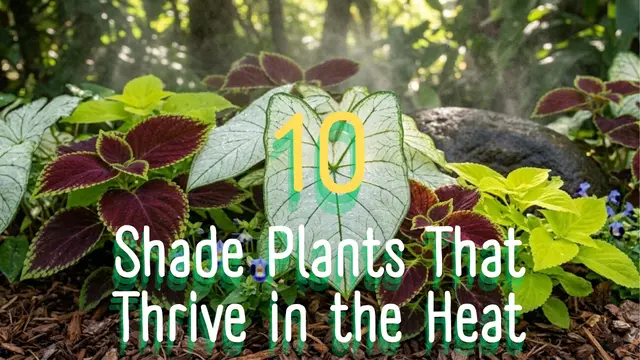
Growing plants in deep shade during a heatwave is a delicate balancing act. While shade provides relief from UV rays, high ambient temperatures accelerate evapotranspiration, often leading to foliage scorch even in the dark.
To succeed, you must select plants with high thermal tolerance like Caladiums or Coleus, and prioritize soil moisture retention through deep organic mulching.
Why Most “Heat-Tolerant Shade” Advice Fails
Most guides tell you to “just add water.” This is dangerous. In high heat, the Vapor Pressure Deficit (VPD)—the difference between the moisture in the leaf and the air—widens. If the air is too dry, the plant closes its stomata to save water, which stops the “evaporative cooling” process, effectively giving the plant a fever.
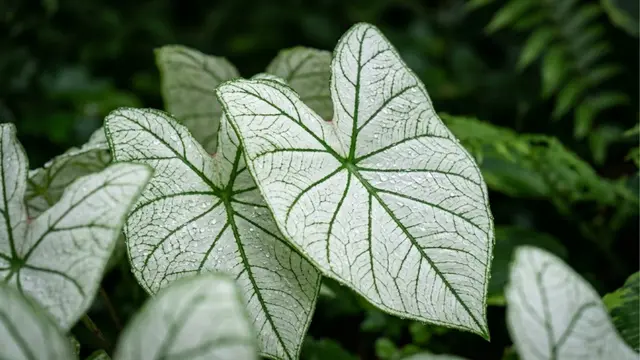
1. Caladium (Angel Wings)
Caladiums are the undisputed kings of the tropical heat. Unlike many shade plants that wilt when the mercury hits 90°F, Caladiums thrive as long as humidity is high.
Expert Tip: Use a humidity tray or group them together to create a localized microclimate that lowers the VPD.
2. Coleus (Solenostemon)
Coleus varieties offer more “Information Gain” than almost any other plant because their colors actually intensify with heat, provided they have afternoon shade.
Most people don’t realize that Coleus can be “heat-trained” by increasing phosphorous levels slightly to strengthen cell walls.
3. Hosta (Heat-Tolerant Cultivars)
Not all Hostas like heat. You must look for “fragrant” varieties (like Hosta plantaginea), which have evolved in warmer Chinese climates.
Heat Symptom: Watch for “marginal burn”—crispy brown edges. This isn’t just a lack of water; it’s a sign the roots are too hot.
4. Begonia (Rex and Cane types)
Begonias are naturally structured to handle dappled sunlight and warm nights.
Avoid overhead watering in heat. Water at the base to prevent “leaf melt” caused by the combination of high temps and trapped moisture.
5. Torenia (Wishbone Flower)
The Role of Stomatal Density in Heat Resilience
Unlike many delicate annuals, Torenia features high stomatal density, allowing for rapid transpiration cooling. This makes it one of the few “cool-toned” flowers (blues and purples) that won’t melt when temperatures exceed 85°F.
Position Torenia in a North-facing exposure to maximize morning light while avoiding the “heat trap” of the late afternoon sun.
If the throat of the flower turns brown, it’s not a lack of water; it’s a sign of foliage scorch from low humidity. Mist the surrounding air (not the petals) to lower the local Vapor Pressure Deficit (VPD).
6. Aspidistra elatior (Cast Iron Plant)
Survival via Low Metabolic Rates
The Cast Iron Plant is a master of thermal mass. Its thick, leathery leaves have a high water holding capacity (WHC), acting as a heat sink that prevents internal temperature spikes.
Use an organic mulch layer (like shredded bark) to insulate the shallow rhizomes.
Most guides suggest “regular watering.” Experts know that in extreme heat, the Aspidistra enters a semi-dormant state. Overwatering during a heatwave can lead to root rot because the plant’s metabolism has slowed down to conserve energy.
7. Fuchsia (Heat-Tolerant Cultivars)
Overcoming the “Fuchsia Melt”
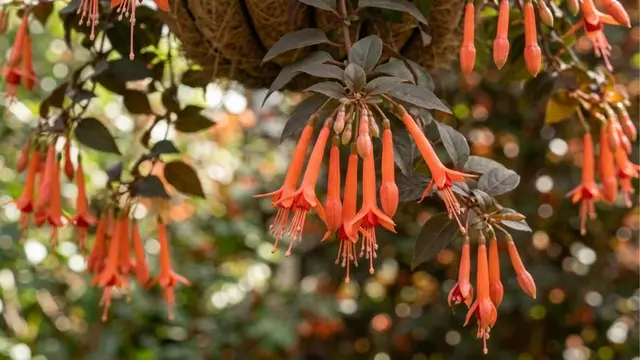
Standard Fuchsias often perish above 80°F. However, heat-tolerant hybrids (like ‘Gartenmeister Bonstedt’) utilize tubular orange flowers that are evolutionarily designed for warmer, tropical shade.
These varieties require deep watering frequency. Ensure the water reaches at least 4 inches into the soil to keep the core root ball cool.
8. Heuchera (Coral Bells)
Anthocyanins as a Solar Shield
Dark-leaved Heucheras (purple, obsidian, or deep red) contain high levels of anthocyanins. These pigments act like a biological sunscreen, protecting the plant’s delicate tissues from the high-energy heat radiation that penetrates even deep shade.
Choose “Villosa” hybrids. These are bred from southeastern US native species that are naturally adapted to high humidity levels and southern heat.
If you see “heaving” (roots pushing out of the soil), the soil temperature is too high. Top-dress with compost to provide a thermal buffer.
9. Ferns (Specifically the Japanese Painted Fern)
Utilizing Microclimate Cooling
While most ferns crisp in the heat, the Athyrium niponicum (Japanese Painted Fern) thrives in the humid “cool pockets” of a garden. Its metallic fronds reflect a portion of the infrared heat radiation.
Plant these near a thermal mass like a stone wall or a water feature. The stone absorbs heat during the day and releases it slowly at night, preventing the rapid temperature swings that cause fern fronds to curl.
10. Impatiens walleriana (Busy Lizzie)
The Bio-Indicator of Heat Stress
Impatiens are the ultimate “canary in the coal mine.” They use turgor pressure to stay upright; when the evapotranspiration rate exceeds water uptake, they wilt instantly to protect their cellular structure.
To prevent the “wilt-recover-wilt” cycle that weakens the plant, incorporate vermiculite into the soil mix.
Instead of watering every time they wilt, check the soil. If it’s damp, the wilt is “thermal shock.” Move a fan nearby or provide temporary additional shade rather than drowning the roots.
| Symptom | Primary Cause | The Expert Fix |
| Marginal Burn (Crispy edges) | Root Zone Overheating | Apply 3″ of light-colored organic mulch to lower soil temp. |
| Instant Wilting (Damp soil) | Thermal Shock / High VPD | Do NOT water. Provide temporary shade or increase airflow. |
| Leaf Melt (Mushy spots) | Microbial bloom + High Heat | Stop overhead watering; prune for better interior air circulation. |
| Color Fading (Pale foliage) | Metabolic Exhaustion | Apply a high-potassium kelp meal to strengthen cell walls. |
| Root Heaving (Roots exposed) | Soil Contraction | Top-dress with compost and vermiculite to restore hydration. |
FAQs
The most effective method is ‘Root Zone Cooling.’ Apply a 2-3 inch layer of organic mulch to insulate the soil and water deeply at dawn to capitalize on the soil’s thermal mass.
Water deeply at dawn. This allows the plant to fully hydrate before the day’s peak VPD and cools the soil temperature. Avoid evening watering, which can trap heat and moisture, leading to fungal ‘leaf melt’ in Begonias and Impatiens.
Yes. This is called ‘foliage scorch.’ It occurs when high ambient temperatures accelerate evapotranspiration faster than the roots can supply water, leading to desiccated leaf margins even in full shade.