
Air Purifying House Plants: 6 Best Choices for Your Home
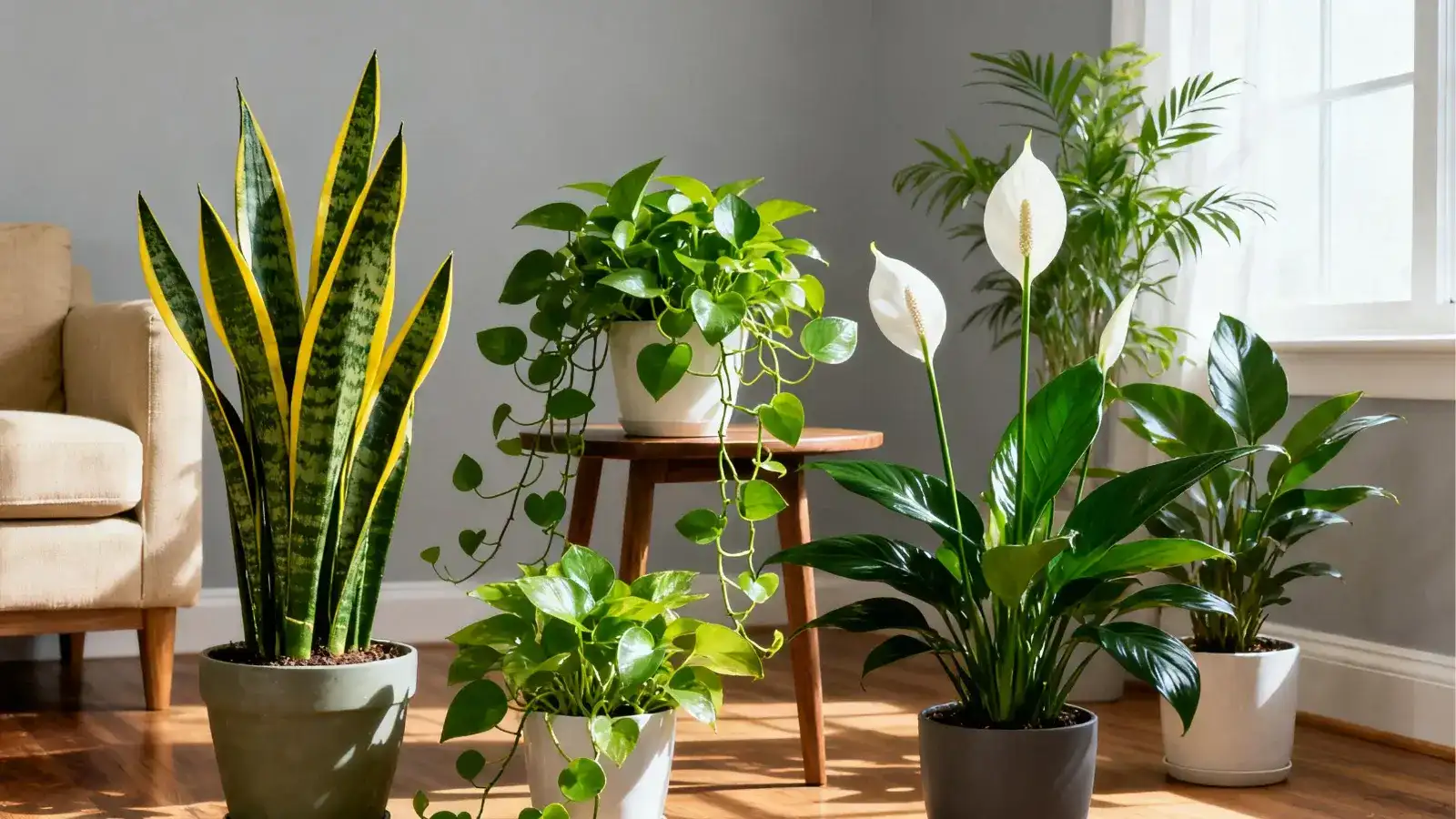
Air purifying house plants can bring natural beauty into your home while helping you explore the potential benefits of indoor greenery. Popular choices include snake plants, peace lilies, spider plants, golden pothos, Boston ferns, and rubber plants. Each has different light, watering, and humidity needs, so the best choice depends on your space and daily routine.
Some houseplants can absorb volatile organic compounds (VOCs) under controlled conditions, but research has not shown that ordinary numbers of potted plants can clean indoor air effectively enough to replace ventilation or air filtration. Here, you’ll learn which plants are worth growing, where to place them, how many to choose for each room, and how to care for them successfully.
What Are Air-Purifying House Plants?
Air-purifying house plants are indoor plants studied for their ability to absorb certain airborne chemicals, release water vapor, or influence indoor environmental conditions.
Some plants can take up volatile organic compounds (VOCs) through their leaves and roots. VOCs are chemicals released by various household products and materials, including paints, adhesives, cleaning products, and furnishings.
Common indoor VOCs include:
- Formaldehyde: Can be released by certain building materials, pressed-wood furniture, and household products.
- Benzene: May come from tobacco smoke, fuels, and some combustion-related sources.
- Xylene: Can be found in certain paints, solvents, and other chemical products.
- Toluene: May be released by paints, adhesives, and some household chemicals.
Plants also release moisture through transpiration, which can contribute to indoor humidity. The effect depends on the number and size of plants, watering conditions, ventilation, and the room’s existing humidity.
Research on plant-based air cleaning, including NASA’s research on indoor plants, has demonstrated that plants can remove certain chemicals in enclosed experimental settings. Real homes, however, have continuous air exchange, changing pollutant sources, and much larger air volumes.
What this means for your home: Choose houseplants primarily for their beauty, suitability, and manageable care requirements. Treat any air-quality benefit as a possible bonus rather than relying on plants to remove harmful pollutants.
6 Best Air-Purifying House Plants for Your Home
The best plant for your home is one that can grow well in the conditions you actually have. A healthy plant in suitable light is a better long-term choice than a supposedly superior air-purifying plant that struggles in a dark corner.
1. Snake Plant (Dracaena trifasciata)
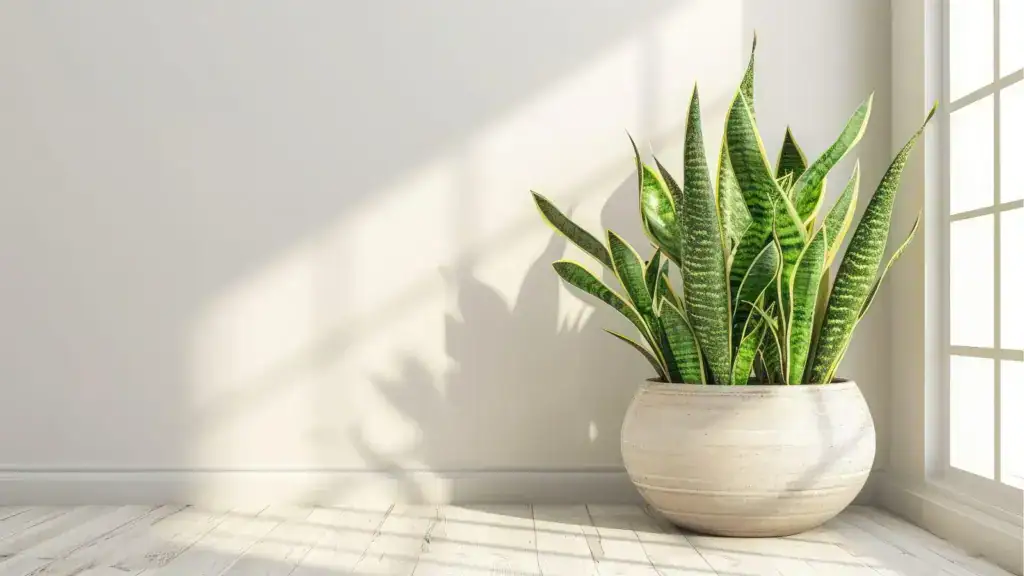
The snake plant is one of the easiest houseplants to maintain because it tolerates lower light and does not need frequent watering. It is a practical choice for bedrooms, home offices, and other spaces where you want attractive greenery without a demanding care routine.
Why choose a snake plant?
Snake plants have upright, sword-shaped leaves that fit neatly into small spaces. They are also frequently discussed in research and popular guides about formaldehyde and other VOC removal.
Like other plants, snake plants can absorb carbon dioxide and release oxygen through photosynthesis. They also use a type of photosynthesis that allows them to take in much of their carbon dioxide at night. However, one snake plant will not meaningfully change the oxygen concentration in a typical bedroom.
How to care for it:
- Light: Bright indirect light is ideal, but it tolerates lower light.
- Water: Allow the potting mix to dry out completely before watering again.
- Soil: Use a well-draining potting mix suitable for succulents.
- Placement: Try a bedroom corner, home office, or living room.
The main mistake to avoid is overwatering. For more detailed advice, see how to care for a snake plant. Snake plants store water in their leaves, so consistently wet soil can cause root rot.
Pet safety: Snake plants are toxic to cats and dogs if ingested. Keep them out of reach of curious pets.
2. Peace Lily (Spathiphyllum species and hybrids)
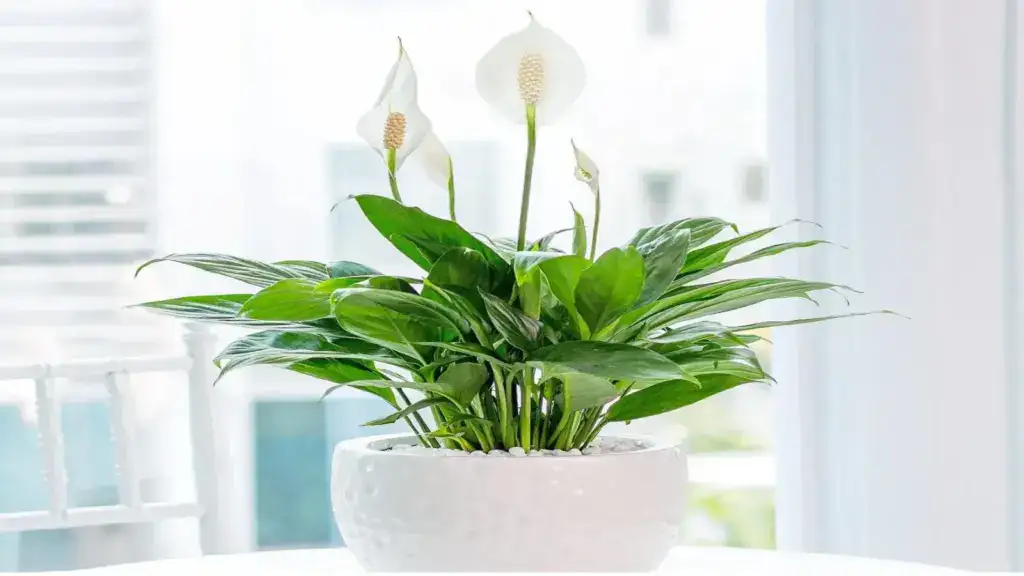
The peace lily is a popular choice for people who want broad green leaves and elegant white flowers. It can grow in lower-light interiors, although brighter indirect light generally supports better growth and flowering.
Peace lilies are commonly associated with the removal of benzene, formaldehyde, and trichloroethylene in laboratory research.
Why choose a peace lily?
Its lush foliage adds a soft, tropical appearance to living rooms, bedrooms, and offices. Unlike many foliage plants, a mature peace lily can also produce distinctive white flower-like structures called spathes.
Peace lilies can be useful in rooms where natural light is limited, provided they still receive enough light to maintain healthy growth.
How to care for it:
- Light: Low to bright indirect light; avoid harsh direct afternoon sun.
- Water: Water when the top inch of soil begins to dry.
- Humidity: Average household humidity is usually manageable, although moderate humidity can improve growth.
- Placement: Place it near a bright window or in a well-lit living room.
Peace lilies often droop noticeably when they become too dry. Watering usually helps them recover, but repeated wilting can stress the plant.
Pet safety: Peace lilies are toxic to cats and dogs. They contain insoluble calcium oxalate crystals that can irritate the mouth and digestive tract.
3. Spider Plant (Chlorophytum comosum)
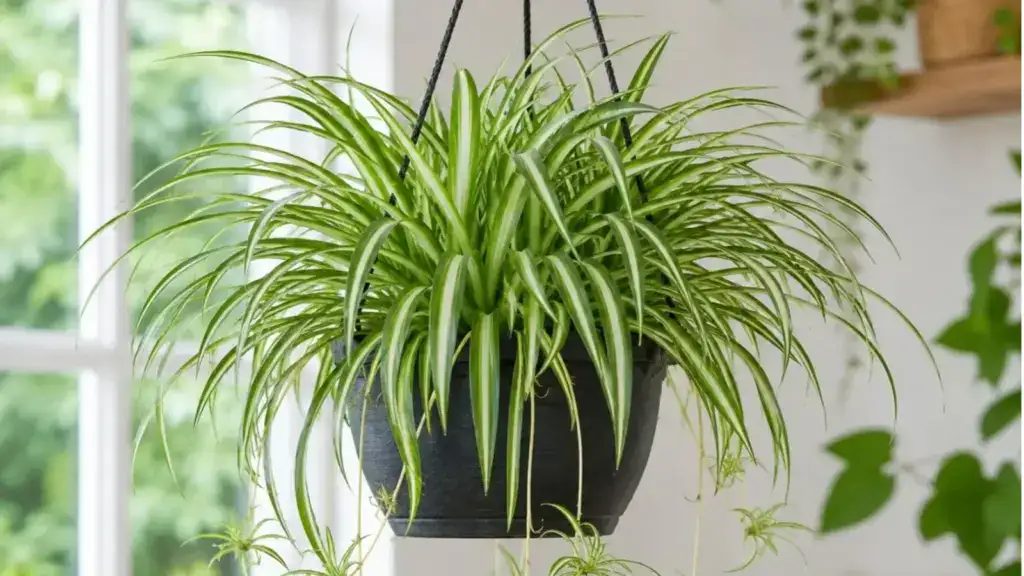
The spider plant is an excellent choice for beginners because it grows readily, adapts to many indoor environments, and produces small plantlets that can be propagated into new plants.
It is frequently listed among air-purifying houseplants because studies have examined its ability to remove formaldehyde and other pollutants under controlled conditions.
Why choose a spider plant?
Its arching green or variegated leaves look attractive in hanging baskets, on shelves, and on plant stands. Mature plants often produce long stems with small plantlets at their ends.
Those plantlets make it easy to expand your indoor plant collection without buying additional mature plants.
How to care for it:
- Light: Bright indirect light is best; protect variegated varieties from prolonged harsh sunlight.
- Water: Water when the upper layer of soil starts to dry.
- Soil: Use a standard, well-draining indoor potting mix.
- Placement: Hang it near a window or place it on a shelf with suitable light.
Brown leaf tips are common and may result from inconsistent watering, fertilizer buildup, or minerals in tap water. Trim damaged tips with clean scissors if desired.
Pet safety: Spider plants are generally considered non-toxic to cats and dogs, making them a more suitable option for many pet-owning households.
4. Golden Pothos (Epipremnum aureum)
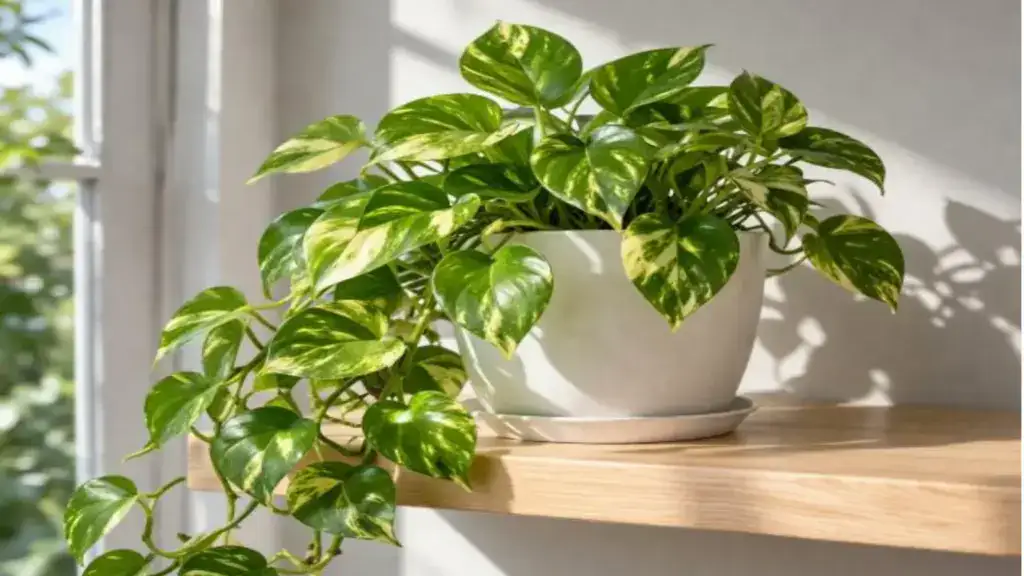
Golden pothos is a hardy trailing vine with green, heart-shaped leaves marked by yellow variegation. It is particularly useful for adding greenery to shelves, bookcases, and hanging planters.
Pothos has been studied for its ability to remove certain VOCs, including formaldehyde and benzene, under experimental conditions.
Why choose golden pothos?
Its trailing growth creates a full, leafy appearance without requiring much floor space. It also tolerates a range of indoor lighting conditions, making it a practical choice for many homes.
Pothos is especially useful when you want to add greenery at different heights rather than filling every available surface with pots. For more growing advice, read how to grow pothos indoors.
How to care for it:
- Light: Bright indirect light encourages stronger growth and better variegation, although it tolerates lower light.
- Water: Allow the top one to two inches of soil to dry before watering.
- Soil: Use a loose, well-draining indoor potting mix.
- Placement: Grow it in a hanging basket or on a high shelf with adequate light.
Avoid keeping pothos in persistently wet soil. Yellowing leaves and soft stems can indicate overwatering or root problems.
Pet safety: Pothos is toxic to cats and dogs if chewed or swallowed. Position it where pets cannot reach the foliage.
5. Boston Fern (Nephrolepis exaltata)
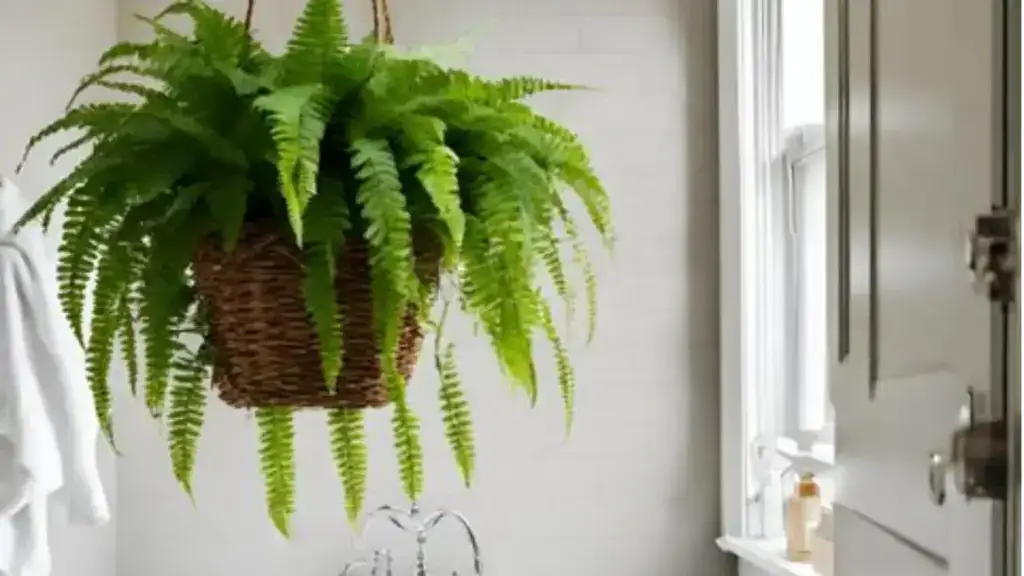
The Boston fern is a good option if you want a dense, feathery plant that adds texture and a lush appearance to an indoor space. Unlike snake plants and pothos, it generally needs more consistent moisture and humidity.
Boston ferns are often included in lists of plants studied for formaldehyde removal. Their foliage also releases moisture through transpiration, although the amount varies with growing conditions.
Why choose a Boston fern?
Its cascading fronds work particularly well in hanging baskets, bright bathrooms, and rooms with moderate to high humidity.
A bathroom with a suitable window can be an excellent location because the humidity from showers may help prevent the fronds from drying out.
How to care for it:
- Light: Bright, indirect light; avoid strong direct sun.
- Water: Keep the soil lightly and consistently moist without leaving the roots waterlogged.
- Humidity: Moderate to high humidity is preferred.
- Placement: Try a bright bathroom or a humid room away from heating vents.
Dry air can cause Boston fern fronds to turn brown and become brittle. If your home is particularly dry, consider a humidifier rather than relying on occasional misting alone.
Pet safety: Boston ferns are generally considered non-toxic to cats and dogs.
6. Rubber Plant (Ficus elastica)
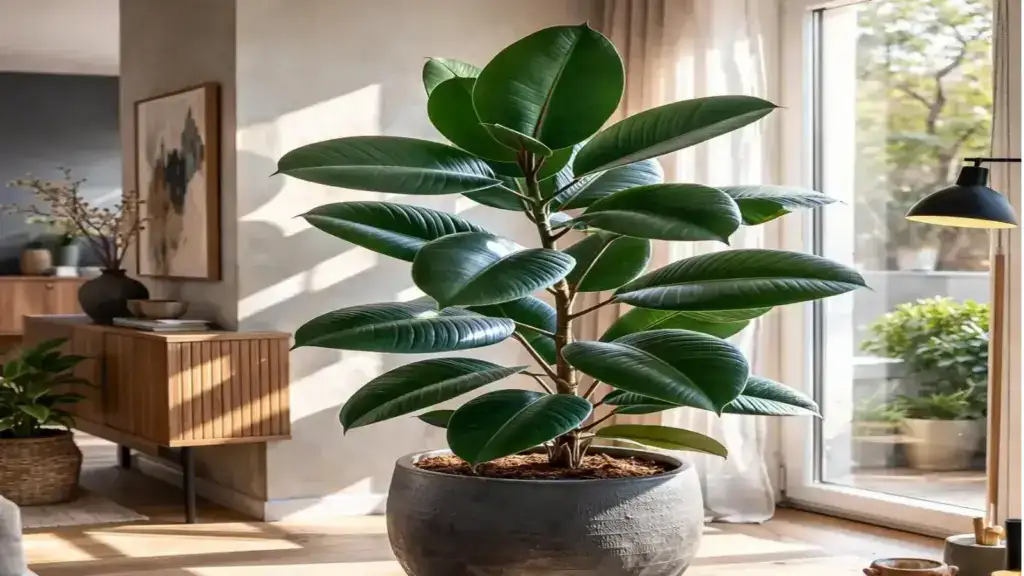
The rubber plant is a striking indoor tree with large, glossy leaves. It is an excellent choice for filling an empty corner or creating a focal point beside a sofa.
Rubber plants are included in discussions of indoor VOC absorption, but their practical contribution to whole-room air cleaning has not been established at ordinary household plant densities.
Why choose a rubber plant?
Its broad leaves create a bold, architectural look. With appropriate light and care, a rubber plant can grow into a substantial indoor specimen that adds height and visual interest.
It is especially suitable for living rooms with a bright window and enough space for a larger pot.
How to care for it:
- Light: Bright indirect light is ideal; introduce direct sunlight gradually if desired.
- Water: Water when the upper one to two inches of soil have dried.
- Soil: Use a well-draining indoor potting mix.
- Placement: Position it near a bright window, away from cold drafts and heating vents.
Wipe dust from the leaves periodically with a soft, damp cloth. Clean foliage looks better and helps the plant receive available light.
Pet safety: Rubber plants can irritate pets if chewed or swallowed. Their milky sap may also irritate skin, so wear gloves when pruning if you have sensitive skin.
How Many Air-Purifying House Plants Do You Need?
There is no scientifically established number of houseplants that will reliably clean the air in a particular room. Plant size, species, light, ventilation, pollutant sources, and room volume all affect the outcome.
For decorating and everyday plant care, however, you can use the following guide to decide how many plants will create a balanced indoor display.
| Room size | Suggested number of plants | Practical arrangement |
|---|---|---|
| Small room, under 15 m² (about 160 sq ft) | 1–2 | One medium plant plus a smaller plant |
| Medium room, 15–25 m² (about 160–270 sq ft) | 3–4 | A mix of tabletop and floor plants |
| Large room, 25–40 m² (about 270–430 sq ft) | 5–6 | Combine different plant heights and sizes |
| Very large room, over 40 m² (about 430 sq ft) | 6 or more, as space allows | Build separate groupings around windows and seating areas |
These numbers are decoration and plant-care suggestions, not proven air-purification requirements. You do not need to fill a room with plants to make it feel greener or more inviting.
Is It Better to Group Plants Together?
Grouping three or four plants can create a lush display and may increase humidity locally through their combined transpiration. The effect depends on the plants’ size, moisture loss, room ventilation, and existing humidity.
Grouping also makes watering and routine inspection easier.
For the best results:
- Combine plants with similar light and watering requirements.
- Leave enough space between pots for air circulation.
- Avoid crowding foliage against damp walls or windows.
- Check the soil of each plant individually rather than watering every pot on the same schedule.
Grouping plants is useful for creating an attractive indoor display, but it does not guarantee meaningful reductions in VOC concentrations throughout a room.
Where to Place Air-Purifying Plants in Every Room
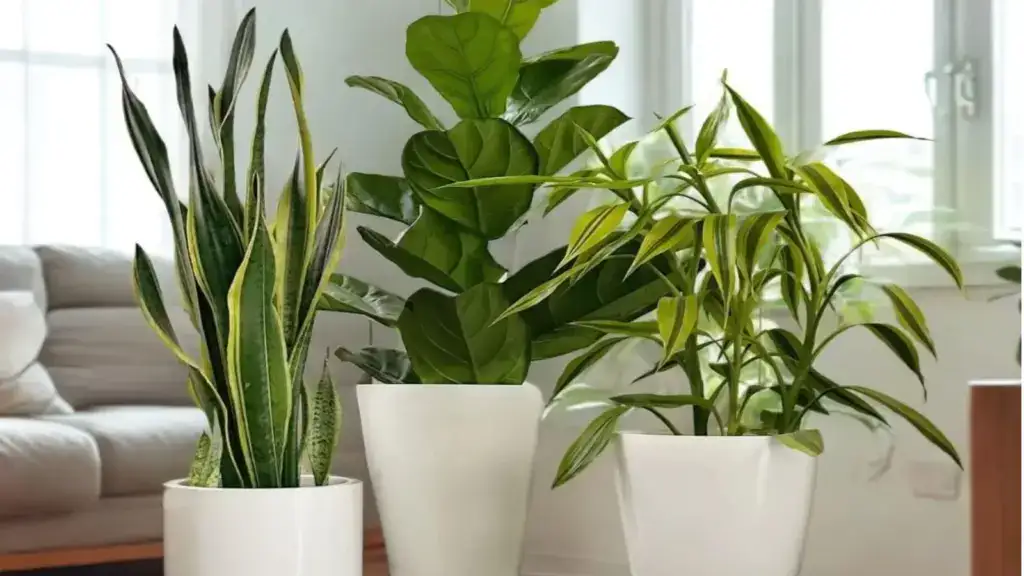
The best location for a houseplant is one that provides suitable light, temperature, and moisture while fitting naturally into your daily routine. You can use different plants in different rooms without treating any particular location as a guaranteed air-cleaning zone.
Bedroom: Choose Low-Maintenance Plants
A snake plant is a practical bedroom choice because it tolerates lower light and needs infrequent watering. A spider plant is another option if you want softer foliage and easy propagation.
Although snake plants and some other plants can take in carbon dioxide at night, the oxygen released by a typical bedroom plant is too small to meaningfully improve bedroom oxygen levels.
Placement tips:
- Put a snake plant near a window with suitable indirect light.
- Use a spider plant on a shelf or plant stand where it receives enough light.
- Avoid placing plants where they block walkways or collect condensation against walls.
- Keep soil and saucers clean to discourage fungus gnats.
If your bedroom has very little natural light, consider a lower-light-tolerant plant and rotate it periodically to a brighter location when necessary.
Living Room: Combine Height and Trailing Foliage
The living room usually offers the greatest flexibility for indoor plant placement. For more ideas, explore our guide to the best living room plants. A rubber plant can fill an empty corner, while golden pothos can trail from a shelf and a spider plant can add foliage near a bright window.
Placement tips:
- Place a rubber plant near a bright window with filtered light.
- Use pothos on a shelf where its trailing stems have room to grow.
- Put a spider plant in a hanging basket or on a plant stand.
- Keep plants away from strong heating or air-conditioning airflow.
Mixing upright and trailing plants creates a more natural arrangement than lining every pot along the same windowsill.
Bathroom: Use Plants That Tolerate Humidity
Bathrooms can be suitable for moisture-loving plants, especially when they have a window. You can also browse our guide to the best plants for bathrooms. Boston ferns and peace lilies are good candidates for humid bathrooms with adequate indirect light.
However, humidity alone is not enough. A windowless bathroom may remain too dark for sustained growth, even if it becomes humid after showers.
Placement tips:
- Put a Boston fern near a bright bathroom window.
- Choose a peace lily if the room receives indirect light.
- Keep pots away from standing water and leaking fixtures.
- Provide occasional ventilation to prevent excessive condensation and mold.
If your bathroom has no natural light, keep suitable plants under a grow light or choose another room for them.
Home Office: Choose Plants That Fit Your Schedule
A spider plant, snake plant, or pothos can add greenery to a desk or office without demanding constant attention.
For a desk with limited space, a small spider plant may be easier to manage than a large floor-standing rubber plant.
Placement tips:
- Keep foliage out of your working space and away from computer ventilation openings.
- Position plants where they receive suitable light throughout the day.
- Use a waterproof saucer to protect the desk.
- Choose a snake plant if you often forget to water.
Plants can make a workspace feel more comfortable and visually appealing, but they should not be relied on to control indoor pollutants from printers, cleaning products, or other office equipment.
How to Care for Your Indoor Plants
Healthy plants are easier to maintain and less likely to develop pest or root problems. The most important factors are appropriate light, correct watering, suitable soil, and good air circulation.
1. Match the Plant to Your Light
Before buying a plant, observe how much natural light the intended location receives.
- Low light: Snake plants and pothos can tolerate lower-light conditions, although growth may slow.
- Bright indirect light: Spider plants, peace lilies, and rubber plants generally grow well when their light requirements are met.
- Bright, humid conditions: Boston ferns often perform best when they receive adequate indirect light and consistent moisture.
Remember that a room that looks bright to your eyes may still provide relatively little light for a plant. A position close to a window is often more suitable than a dark corner several feet away. If your room receives limited natural light, see our guide to choosing plants for lower-light spaces.
2. Water According to the Plant’s Needs
Overwatering is one of the most common causes of indoor plant decline.
Snake plants need the soil to dry completely between waterings, while Boston ferns prefer more consistent moisture. Applying the same watering schedule to both plants can lead to problems.
Check the soil before watering and make sure excess water can drain from the pot.
3. Use Well-Draining Potting Mix
A suitable potting mix allows roots to receive both moisture and oxygen.
Snake plants benefit from a fast-draining mix, while pothos, spider plants, peace lilies, and rubber plants generally do well in a quality indoor potting mix that retains some moisture without staying soggy.
Always use pots with drainage holes unless you have a specific, carefully managed alternative setup.
4. Keep Leaves Clean
Dust can accumulate on broad leaves, particularly on rubber plants and peace lilies. Gently wipe dusty foliage with a damp, soft cloth when needed.
Avoid harsh household cleaners or leaf-shine products that may damage foliage.
5. Inspect for Pests and Fungal Problems
Check the undersides of leaves, stems, and soil surfaces regularly for signs of pests.
Yellowing leaves, persistent wet soil, moldy surfaces, and fungus gnats can indicate watering or drainage problems. Good plant care includes correcting these conditions rather than simply adding more plants. Our guide to indoor plant care covers the basics in more detail.
Do Air-Purifying House Plants Really Clean Indoor Air?
Houseplants can absorb certain chemicals under controlled conditions, but the evidence does not support using ordinary potted plants as a replacement for established indoor air-quality measures.
A widely cited scientific review of potted plants and indoor air quality found that the air-cleaning rates measured in laboratory chambers generally translate into limited effects in real buildings when compared with normal air exchange.
That does not mean the research is useless. It means the results need to be interpreted in context.
What Plants Can Do
- Absorb some VOCs under certain conditions.
- Release moisture through transpiration.
- Add greenery and improve the visual appeal of indoor spaces.
- Provide an enjoyable hobby and encourage people to care for their surroundings.
What Plants Cannot Reliably Do
- Guarantee the removal of harmful pollutant concentrations in a normal home.
- Replace ventilation or effective air filtration.
- Prevent exposure to smoke, carbon monoxide, or other hazardous pollutants.
- Correct a persistent source of indoor chemical emissions simply by being placed nearby.
Better Ways to Improve Indoor Air Quality
For a healthier indoor environment, combine houseplants with practical measures. The U.S. Environmental Protection Agency’s indoor air quality guidance explains the roles of source control, ventilation, and air cleaning:
- Ventilate when outdoor conditions allow. Open windows or use suitable exhaust ventilation to help remove indoor pollutants.
- Control pollutant sources. Follow product instructions, store chemicals properly, and choose lower-emission materials where practical.
- Use suitable air filtration. A properly sized particle filter can help reduce airborne particles. Removing gases and VOCs requires an appropriate gas-phase filter, such as one containing activated carbon, with enough capacity for the application.
- Maintain HVAC filters. Replace or clean filters according to the system manufacturer’s instructions.
- Control excessive moisture. Fix leaks, improve bathroom ventilation, and keep indoor humidity at a reasonable level to reduce mold risk.
If you suspect carbon monoxide, leave the affected area and contact emergency services. Houseplants cannot protect you from carbon monoxide exposure.
Frequently Asked Questions
There is no single best houseplant for cleaning the air in an ordinary home. Snake plants, spider plants, pothos, peace lilies, Boston ferns, and rubber plants have all been discussed in research or popular guides about indoor air quality. Choose among them based on light, watering requirements, available space, and pet safety.
One or two well-chosen plants can create an attractive bedroom display. A snake plant is a practical option because it tolerates lower light and infrequent watering. However, there is no established plant-per-room ratio that guarantees effective air purification.
Snake plants use crassulacean acid metabolism (CAM), which allows them to take in carbon dioxide at night. Their oxygen contribution is too small to meaningfully change the oxygen concentration of a typical bedroom.
Some are, but many popular plants are toxic if chewed or swallowed. Spider plants and Boston ferns are generally considered non-toxic to cats and dogs. Snake plants, pothos, peace lilies, and rubber plants can cause problems if ingested. Check the exact species before bringing a plant into a home with pets.
No. Houseplants should complement, not replace, ventilation and appropriate air filtration. If your main concern is indoor pollution, identify the pollutant source and select an air-quality measure designed to address it.
Snake plants and pothos are among the more forgiving choices for lower-light rooms. Peace lilies can also tolerate lower light, although flowering may decrease. No plant grows well indefinitely without sufficient light, so consider a grow light if the room is very dark.
Yes. Plants release water vapor through transpiration, which can contribute to indoor humidity. The effect depends on plant size, the number of plants, watering, ventilation, and the room’s existing moisture level. Plants are not a substitute for a humidifier when precise humidity control is needed.
Final Thoughts
Air-purifying house plants are a practical way to bring nature indoors, add visual interest, and enjoy the benefits of caring for living plants. Snake plants and pothos suit people who prefer low-maintenance greenery, spider plants are excellent for propagation, peace lilies add flowers, Boston ferns suit humid rooms, and rubber plants create a bold focal point.
Start with one or two plants that match your available light and watering routine. Add more as you learn what thrives in your home.
For better indoor air quality, combine your plants with good ventilation, control of pollutant sources, and suitable filtration. That approach lets you enjoy a greener home without relying on houseplants to do a job they cannot reliably perform on their own.
Sources and Further Reading
- U.S. Environmental Protection Agency: Improving Indoor Air Quality — Practical guidance on source control, ventilation, and air cleaning.
- NASA Technical Reports Server: Interior Landscape Plants for Indoor Air Pollution Abatement — Historical research on plants and pollutant removal under controlled conditions.
- Cummings and Waring: Potted Plants Do Not Improve Indoor Air Quality — A review explaining why laboratory results do not translate directly into effective air cleaning in typical buildings.