
Low Light Indoor Plants: Top Picks for Every Lighting Zone
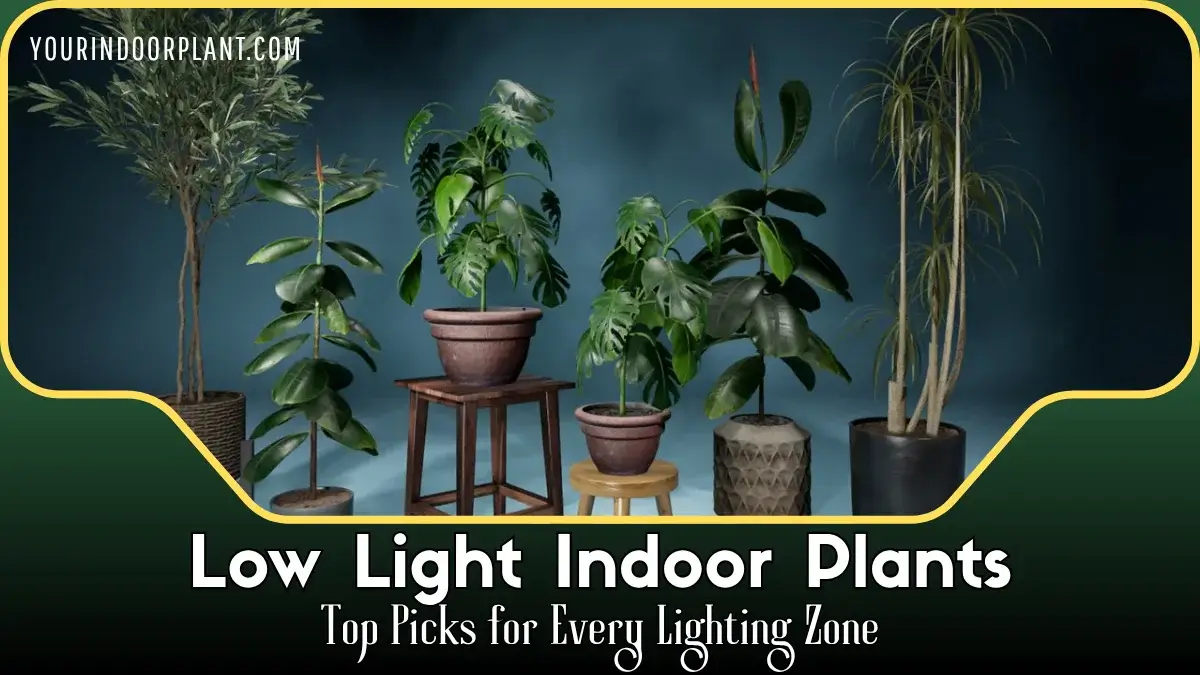
Even if your home doesn’t flood with sunlight, you can still grow healthy, happy plants. The key is understanding light zones—how light behaves in your space and which plants are comfortable in each.
Yes, you can have lush indoor plants in low light. You just need to match each plant to the lighting zone that suits it best.
Over the years, I’ve tested dozens of species across Portland apartments, basements, and even windowless hallways. What I learned? There’s no such thing as a “true low light plant”—only plants that tolerate less light than others. Let’s explore which ones will thrive in your space.
Bright Indirect Light: Gentle Sunshine for Resilient Growers
Bright indirect light means plenty of ambient brightness, but no harsh beams directly hitting the leaves. Think of it as “morning light through a sheer curtain.”
Plants that thrive here:
- Peace Lily (Spathiphyllum): Elegant, glossy, and surprisingly forgiving. Peace lilies handle moderate neglect but reward you with white blooms when they’re happy.
- Bird of Paradise (Strelitzia reginae): A showy tropical that loves brightness but not direct glare.
- Swiss Cheese Plant (Monstera deliciosa): Loves filtered sunlight and room to stretch its vines.
These plants crave consistency: steady moisture, room to breathe, and the occasional dusting of their leaves so they can “breathe” better.
In my living room, the peace lily next to a north-facing window thrives year-round. When its leaves droop slightly, it’s just asking for a drink—its way of talking back.
Low to Bright Indirect Light: The Adaptable Middle Ground
Some corners receive fluctuating brightness—sunny for a few hours, dim for the rest of the day. This zone is where flexibility matters most.
Top picks for these shifting spots:
- ZZ Plant (Zamioculcas zamiifolia): Practically indestructible. It stores water in its thick stems and handles both neglect and light changes with grace.
- Cast Iron Plant (Aspidistra elatior): True to its name, it’s as tough as they come. It won’t grow quickly, but it never gives up.
- Philodendron ‘Brasil’: Heart-shaped leaves with lime streaks that hold color even when light fluctuates.
If your room gets occasional rays but never full sun, this is the ideal mix. I’ve had a ZZ plant on my office shelf for years—no window, just ambient light from a nearby lamp. It hasn’t complained once.
Tip: Rotate your plants every few weeks. Uneven light leads to lopsided growth, and a simple quarter-turn keeps them balanced.
Low to Medium Indirect Light: For the Cozy, Dim Corners
This zone is for rooms where light is soft and brief—think a hallway near a north window or a bathroom with frosted glass. Growth will be slower, but these plants don’t mind taking their time.
Best species for this gentle light:
- Snake Plant (Sansevieria trifasciata): The classic low-light champion. Tall, architectural, and nearly unkillable.
- Pothos (Epipremnum aureum): Fast-growing vines that stay green even when the light fades.
- Chinese Evergreen (Aglaonema): Patterned leaves and colorful varieties that still flourish in muted light.
The trick here is restraint. Overwatering is the number-one killer in these zones because plants photosynthesize more slowly. Let the soil dry almost completely before watering again.
One of my oldest Snake Plants has lived in the same shady hallway corner for seven years. It’s barely grown—but it’s still perfect, steady, and dust-free.
Medium Indirect Light: The Sweet Spot for Many Favorites
Medium indirect light is often the “Goldilocks” zone—not too dim, not too bright. Rooms with east or west-facing windows usually fall here.
Plants that thrive in this balanced setting:
- Spider Plant (Chlorophytum comosum): Loves steady light and rewards you with cascading baby plantlets.
- Dieffenbachia (Dumb Cane): Large leaves with creamy variegation that pop in this amount of light.
- Dracaena ‘Janet Craig’: Upright, easy-going, and air-purifying.
This zone offers flexibility for experimentation. You can shift plants between windows and walls to see what they prefer. Signs of too little light include dull leaves or slow growth, while too much light can crisp leaf edges.
I once moved a Dieffenbachia from my dining area to a medium-light office. Within a month, new variegated leaves appeared, almost like it was sighing in relief.
Final Thoughts
Low light doesn’t have to mean no light—or no plants. Every home has pockets of brightness hiding in unexpected places. Once you understand your lighting zones, you’ll stop fighting nature and start working with it.
Start with one plant that suits your light, give it consistent care, and watch how it responds. Plants are honest companions—they’ll tell you exactly what they need if you pay attention.
FAQs
What counts as low light for houseplants?
Low light means spaces where you can read comfortably during the day without turning on a lamp, but where sunlight never directly hits the floor or wall.
Can I use grow lights for low light plants?
Absolutely. LED grow lights are excellent for dark rooms or basements. Choose full-spectrum bulbs and keep them on for 8–10 hours daily.
How often should I water low light plants?
Less frequently than plants in bright areas—every 2–4 weeks for most species. Always check the soil before watering.
Why do my variegated plants lose color in low light?
Variegation needs energy from light to stay vibrant. In dim conditions, the plant reverts to green leaves to boost photosynthesis.
Can flowering plants survive in low light?
A few, like peace lilies and anthuriums, can bloom with minimal light—but most flowering species need brighter conditions.