
Snake Plant Leaves Curling: Causes & How to Fix It

If your snake plant leaves are curling, folding inward, or looking tighter than usual, the plant is signaling stress. In most cases, curling is linked to watering issues, but the exact cause depends on whether the leaves feel dry and firm or soft and weak.
Curling is different from simple drooping. Drooping usually means the leaves have lost their ability to stand upright, while curling often shows the leaf edges rolling inward or the blade folding as the plant tries to protect itself or conserve moisture.
Quick Answer
Underwatering is the most common cause of snake plant leaves curling inward. When the plant uses up the water stored in its leaves, they begin to curl and may look wrinkled or thinner than normal. Overwatering and root problems can also cause curling, but in those cases the leaves usually feel softer. Temperature stress and pests are less common but possible causes.
What to do first:
- Check the soil moisture deep in the pot.
- Examine whether the leaves feel dry and firm or soft and weak.
- Adjust watering based on what you find.
- Inspect the roots if the problem continues.
Why Snake Plant Leaves Curl: Diagnostic Guide
| What You See | Most Likely Cause | Key Clue |
|---|---|---|
| Leaves curl inward, feel thin or wrinkled, soil is dry | Underwatering | Leaves look dehydrated but firm |
| Leaves curl and feel soft or mushy, soil stays wet | Overwatering / Root issues | Soft tissue + wet soil |
| Leaves curl after cold drafts or heat | Temperature stress | Happens near windows, AC, or heaters |
| Leaves look papery, silvery, or have tiny spots | Pests (thrips or spider mites) | Fine webbing or small insects |
| New leaves curl while old ones look normal | Recent change in care or environment | Often temporary stress |
Why Are My Snake Plant Leaves Curling Inward?
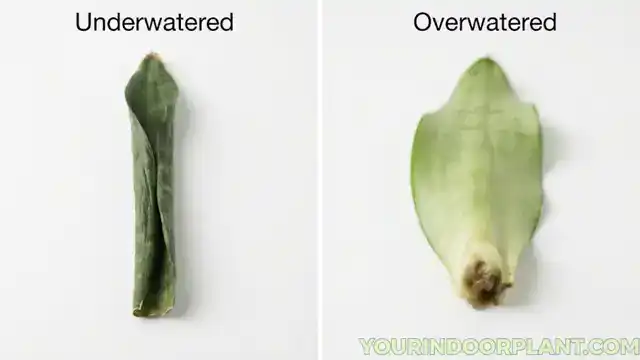
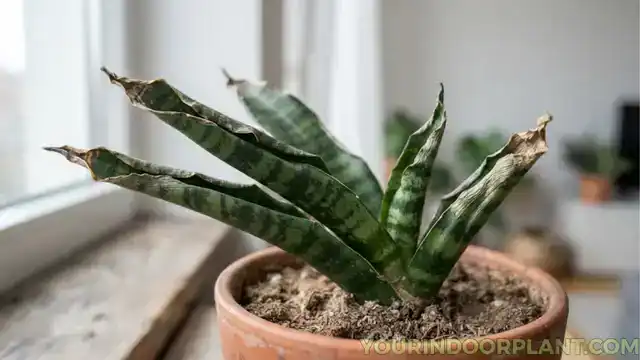
Snake plant leaves curling inward is most commonly associated with dehydration, especially when the leaves are firm, thin, or wrinkled and the soil is completely dry. The plant rolls the leaf edges as a way to reduce moisture loss. In this situation, a thorough watering followed by allowing the soil to dry fully between waterings usually stops further curling.
Common Causes of Snake Plant Leaves Curling
1. Underwatering (Most Common)
Snake plants store water in their thick leaves. When the soil stays dry for too long, the plant draws on those reserves. As the stored moisture decreases, the leaves begin to curl inward and may develop a wrinkled or thinner appearance.
2. Overwatering and Root Problems
When roots are damaged by excess moisture, they can no longer absorb water effectively. The leaves may curl even though the soil is wet, because the plant is unable to take up moisture. In these cases, the leaves often feel softer rather than dry and firm.
According to the Iowa State University Extension, overwatering is “the quickest (and sometimes the only) way to kill a sansevieria,” as wet conditions quickly lead to root rot.
3. Temperature Stress
Sudden exposure to cold drafts, freezing window temperatures, or intense heat can cause leaves to curl as a protective response. Snake plants prefer stable conditions and do not like rapid temperature swings.
4. Light and Environmental Changes
A sudden move from low light to very bright light, or prolonged low light combined with dry air, can contribute to leaf stress and mild curling.
5. Pests
Thrips and spider mites can cause leaves to look distorted, papery, or curled at the edges. These pests are less common on snake plants than watering issues but should be checked if other causes do not fit.
How to Fix Curling Snake Plant Leaves
Step 1: Check soil moisture properly
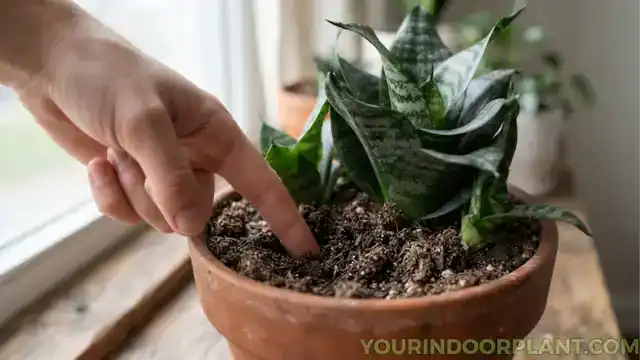
Do not rely only on the surface. Insert your finger or a moisture meter several inches into the soil. Bone-dry soil points toward underwatering. Persistently wet soil suggests overwatering or poor drainage.
Step 2: Assess the leaf texture
- Dry, firm, wrinkled leaves → Focus on thorough watering.
- Soft or weak leaves → Inspect the roots for rot.
Step 3: Correct watering
If the plant is underwatered, water thoroughly until water drains from the bottom of the pot. Then allow the soil to dry completely before watering again.
If overwatering is the issue, stop watering and allow the soil to dry. In more serious cases, remove the plant from the pot, trim any soft or black roots, and repot into a fresh, fast-draining mix.
The Royal Horticultural Society also notes that overwatering is the main cause of poor health in sansevierias and recommends letting the compost dry out between waterings, especially in winter.
Step 4: Improve the environment
Move the plant away from cold drafts, heating vents, or intense direct afternoon sun. Bright, indirect light is ideal for recovery.
Step 5: Monitor recovery
Existing curled leaves may not fully straighten. The goal is to stop further curling and encourage healthy new growth.
For detailed watering guidance, see our guide on how often your snake plant should be watered.
If root issues are involved, our article on snake plant leaves mushy at the base explains the recovery process in depth.
Why Are My Snake Plant Leaves Curling After Watering?
If your snake plant leaves remain curled after watering, the problem may not be a simple lack of water. Severely dehydrated leaves can take time to regain their shape, while damaged roots may prevent the plant from absorbing water properly. Check how quickly the soil dries, inspect the roots if the curling persists, and avoid watering repeatedly just because the leaves have not straightened yet.
How to Prevent Leaves from Curling Again
- Water only when the soil has dried thoroughly.
- Use a well-draining soil mix designed for succulents or cacti.
- Choose pots with drainage holes.
- Keep the plant in stable temperatures away from drafts.
- Provide bright, indirect light for stronger growth.
These practices align with the care approach outlined in our complete guide to caring for snake plants indoors.
Related Snake Plant Issues
- Soft or mushy bases → Snake plant leaves mushy at the base
- Drooping or falling leaves → Snake plant drooping causes and fixes
- Brown tips after fertilizing → Snake plant brown tips after fertilizing
- Yellow leaves → How to fix yellow leaves on a snake plant
- General troubleshooting → Snake plant problems and real fixes
Frequently Asked Questions
Inward curling is most often a response to underwatering. The plant is conserving moisture by rolling the leaf edges. Check whether the soil is completely dry and water thoroughly if needed.
Yes. When roots are damaged by excess moisture, they cannot absorb water properly. The leaves may curl even though the soil is wet. Soft or mushy tissue is an important clue in this case.
Older damaged leaves often remain curled. Once the underlying cause is corrected, new growth should emerge straight and healthy.
Only if the leaves are severely damaged, soft, or rotting. Mildly curled but firm leaves can be left in place while the plant recovers.
Improvement in new growth can appear within a few weeks after correcting watering and conditions. Full recovery depends on how severe the stress was.
Final Thoughts
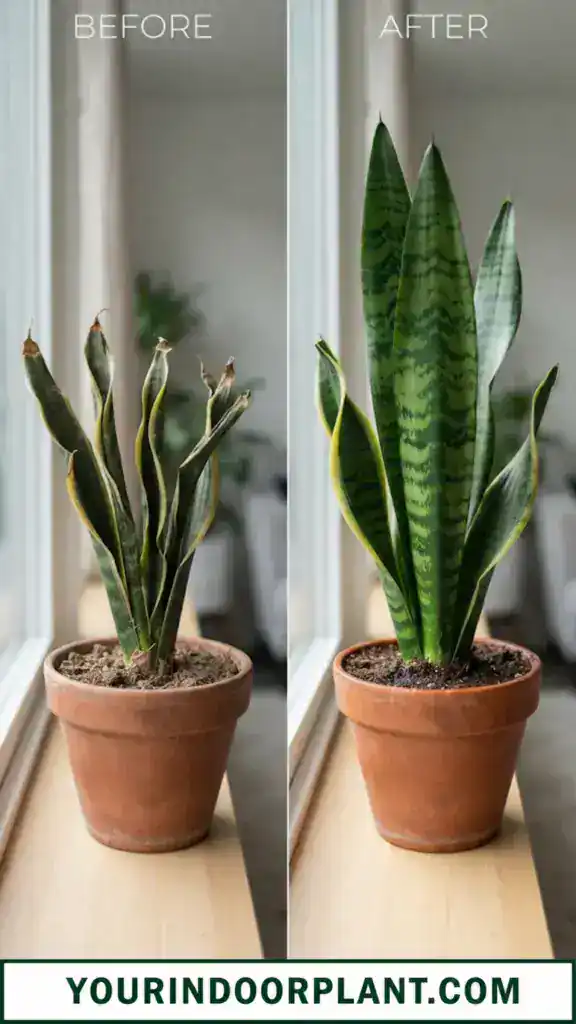
Snake plant leaves curling is usually a reversible problem when diagnosed correctly. The most important step is distinguishing between dry, firm curling caused by underwatering and softer curling linked to root issues. Once you identify the cause and adjust care, the plant typically responds with healthier new leaves.
If your snake plant is still curling after correcting watering and environment, leave a comment with details about the soil, light, and recent care. Clear information makes it easier to pinpoint the next step.