
10 Best Indoor Plant Care Products Every Plant Owner Needs
Taking care of houseplants doesn’t require dozens of specialized gadgets. A small collection of reliable indoor plant care products can make watering, pruning, feeding, pest control, and lighting much easier.
Whether you have a few plants on a windowsill or a growing indoor jungle, the products below are the ones I’d prioritize. I’ve included specific product recommendations rather than simply listing product categories, so you can quickly decide what is worth buying.
If you’re starting from scratch, focus on the first five products. The remaining products are useful depending on your plants and growing conditions.
Best Indoor Plant Care Products at a Glance
| Product | Our Pick | Best For |
|---|---|---|
| Watering Can | Haws Handy Indoor Watering Can | Controlled watering |
| Moisture Meter | Tennedriv Green Soil Moisture Meter | Checking soil moisture |
| Pruning Shears | Fiskars Micro-Tip Pruning Snips | Precise pruning |
| Fertilizer | Dyna-Gro Foliage-Pro 9-3-6 | General houseplants |
| Sticky Traps | Garsum Yellow Sticky Traps | Fungus gnats |
| Grow Light | SANSI LED Grow Light Bulb | Low-light rooms |
| Hygrometer | ThermoPro TP49 | Monitoring humidity |
| Plant Ties | VELCRO Brand Garden Ties | Supporting plants |
| Repotting Mat | Utoplike Repotting Mat | Indoor repotting |
| Gardening Gloves | Vgo Gardening Gloves | Soil and plant work |
Prices are approximate and can change depending on the retailer, size, and current promotions.
1. Watering Can
Our Pick: Haws Handy Indoor Watering Can
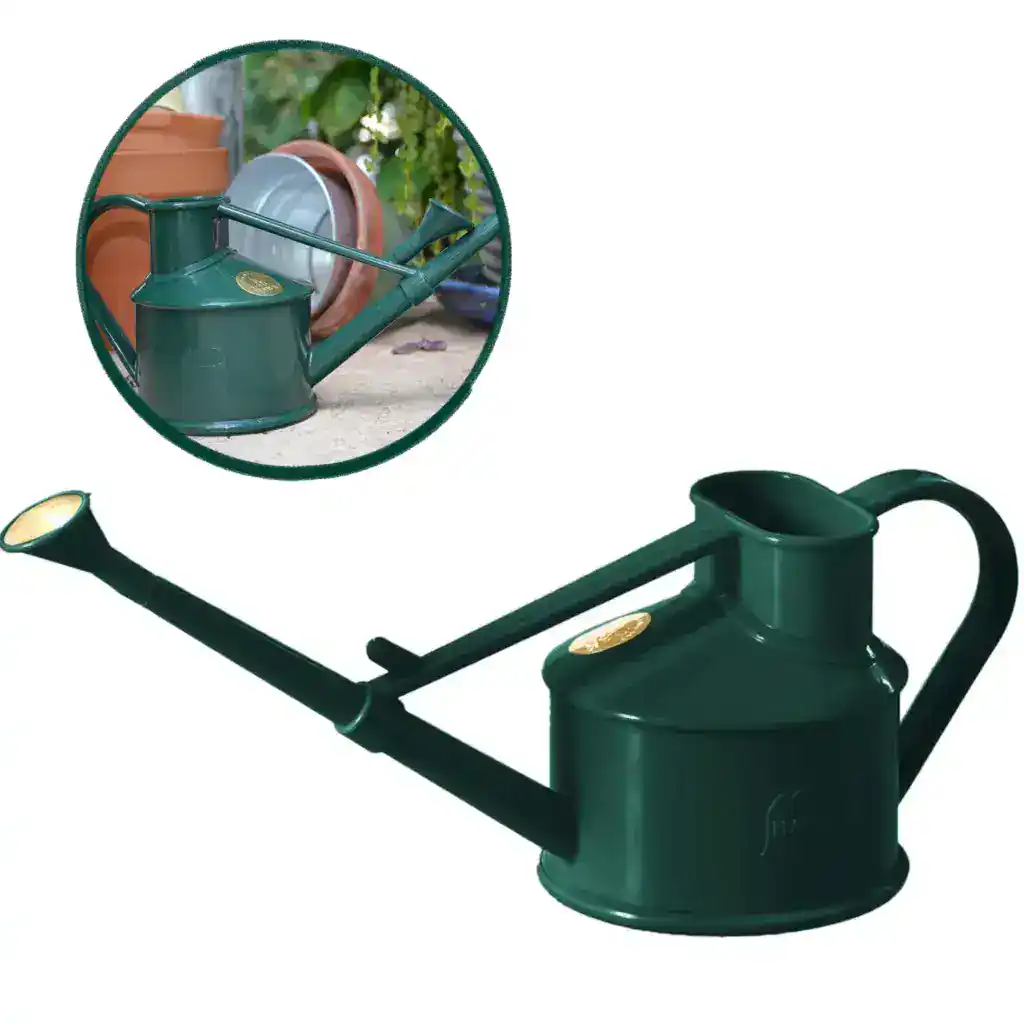
Why we recommend it: The Haws Handy is designed specifically around small-scale watering rather than being a scaled-down outdoor watering can.
Its compact size makes it easier to maneuver between houseplants, while the long spout gives you better control when watering pots tucked behind foliage.
Haws currently offers several indoor models in different capacities, including small 1-pint models and larger 2-pint versions. The company specifically describes its curved-spout designs as being intended for accurate watering of pots and indoor plants.
The Haws Handy Indoor Watering Can is the model I’d choose for a typical collection of houseplants.
Best for: Everyday watering of houseplants, succulents, and smaller pots.
Our verdict: ⭐ Best overall indoor watering can
Why it’s useful
- Compact enough for indoor use
- Long spout improves watering accuracy
- Easy to maneuver around foliage
- Suitable for smaller pots
- Available in several colors
2. Soil Moisture Meter
Our Pick: Tennedriv Green Soil Moisture Meter
One of the easiest mistakes to make with houseplants is watering simply because the surface of the soil looks dry.
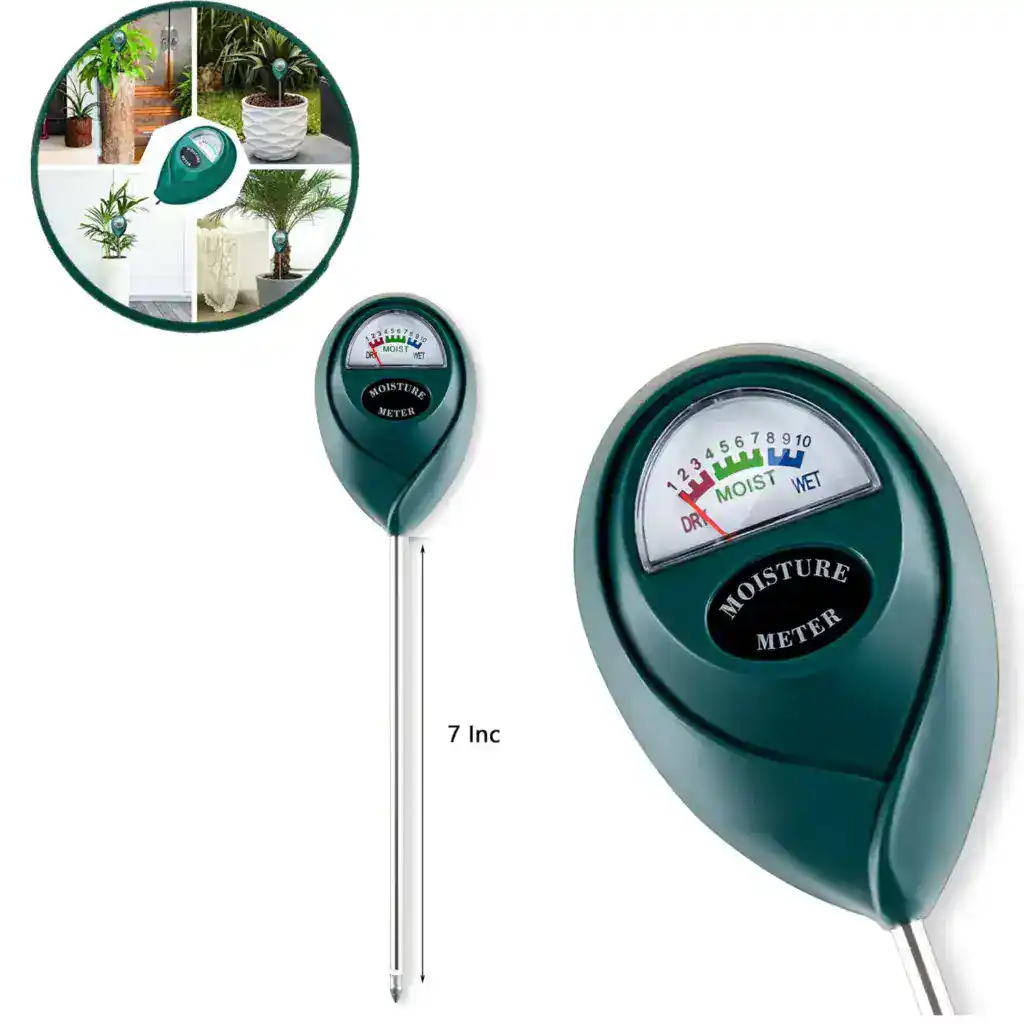
The Tennedriv Green Soil Moisture Meter gives you another way to check moisture deeper in the pot.
It’s a simple analog-style meter rather than a complicated digital device, which is actually one of its advantages. You insert the probe into the growing medium and use the reading as one piece of information when deciding whether the plant needs water.
The meter is simple to use: insert the probe into the soil and use the reading alongside the plant’s condition, pot size, and recent watering history.
Best for: Beginners and plant owners who struggle with watering.
Our verdict: ⭐ Best simple moisture meter for beginners
Remember
A moisture meter should not make the watering decision for you.
Consider:
- Plant species
- Pot size
- Potting mix
- Drainage
- Light level
- Temperature
- Recent watering
Use the meter as a guide rather than treating a particular number as a universal watering rule.
3. Pruning Shears
Our Pick: Fiskars Micro-Tip Pruning Snips
If you own more than a few houseplants, pruning snips are one of those tools you’ll probably use more often than expected.
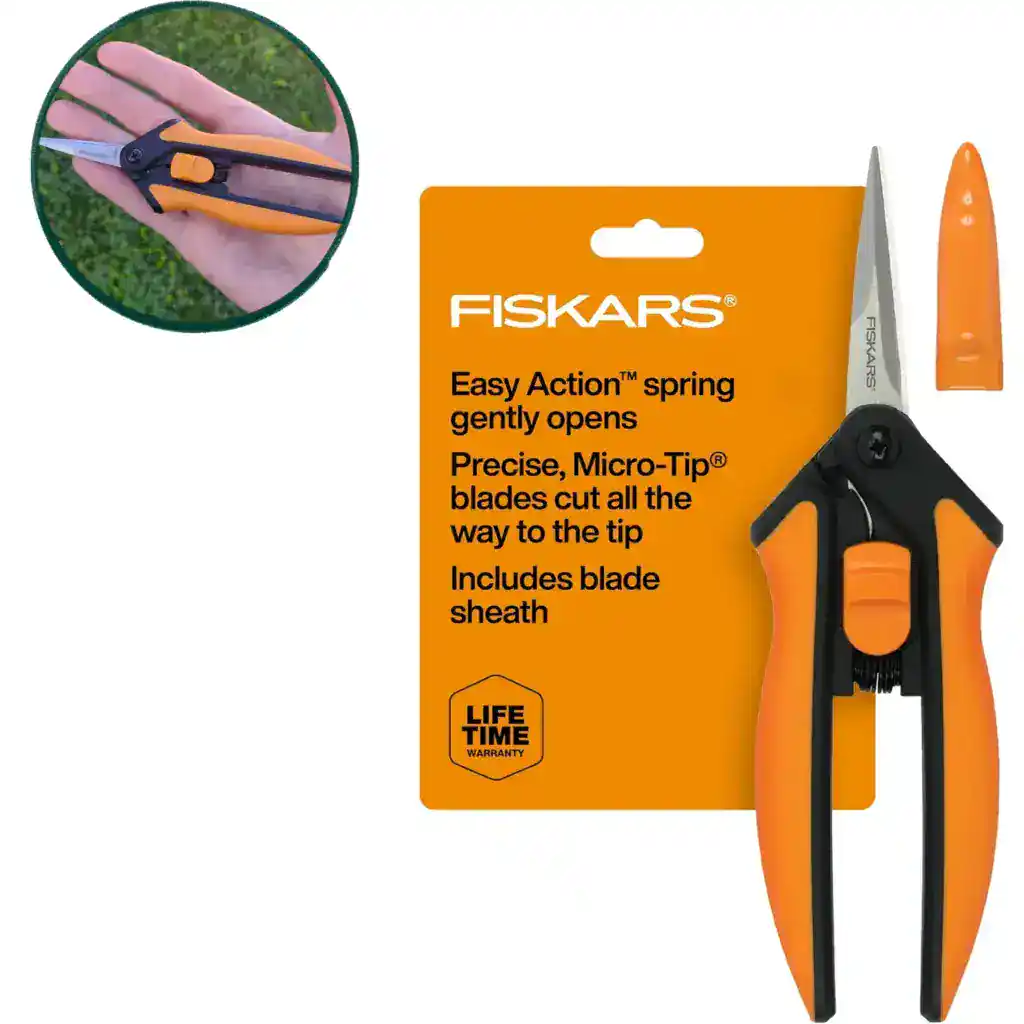
The Fiskars Micro-Tip Pruning Snips are particularly useful when working between leaves and stems where ordinary garden shears are unnecessarily large.
Use them for:
- Removing dead leaves
- Cutting damaged stems
- Trimming overgrown growth
- Deadheading flowers
- Taking suitable propagation cuttings
Best for: Precise pruning and removing dead or damaged growth, and for propagation.
Our verdict: ⭐ Best pruning snips for precision
The narrow tip makes precise cuts easier, especially on smaller plants.
Clean your cutting tool between plants when you’re dealing with visibly diseased tissue to reduce the risk of spreading problems.
4. Fertilizer
Our Pick: Dyna-Gro Foliage-Pro 9-3-6
Instead of recommending several specialized fertilizers, I’d rather start with one versatile product for a general indoor plant collection.
Dyna-Gro Foliage-Pro 9-3-6 is formulated for foliage plants and provides nitrogen, phosphorus, and potassium along with additional nutrients.
That makes it a practical choice for plants such as:
- Pothos
- Philodendrons
- Monstera
- Ficus
- Peperomia
- Many other foliage houseplants
However, fertilizer should supplement good plant care rather than compensate for poor light, bad drainage, or incorrect watering.
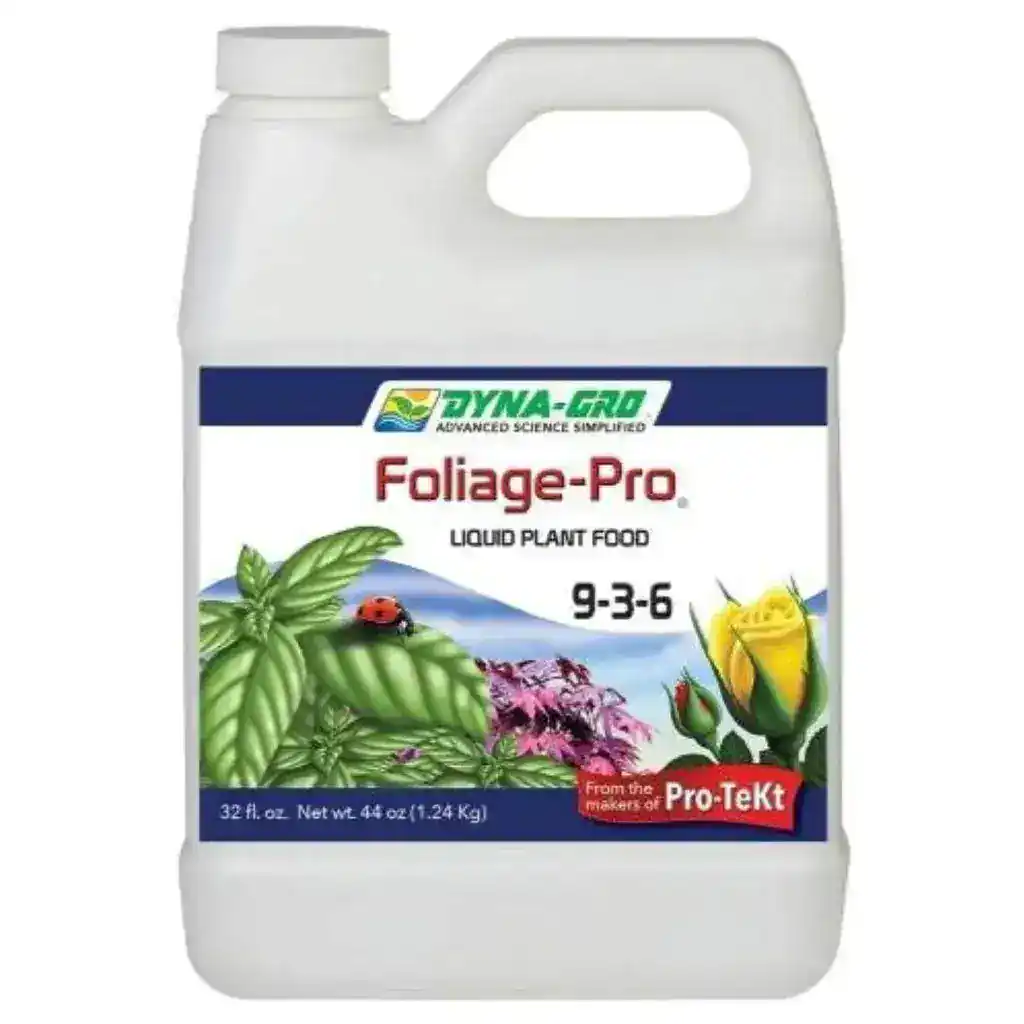
Best for: Feeding a general collection of foliage houseplants.
Our verdict: ⭐ Best general-purpose fertilizer for foliage plants
Always follow the manufacturer’s dilution and application instructions.
University of Minnesota Extension also recommends following fertilizer label directions and avoiding excessive fertilizer application because overfertilization can damage plants.
For a broader comparison, see our guide to the best fertilizers for indoor plants.
5. Sticky Traps
Our Pick: Garsum Yellow Sticky Traps
Small flying insects around your plants are frustrating, especially when they seem to appear out of nowhere.
Garsum Yellow Sticky Traps are an inexpensive way to monitor and catch flying insects around houseplants. They’re particularly useful for detecting fungus gnats.
Place the traps close to affected plants and monitor how many insects are being caught.
However, sticky traps are only part of the solution. They primarily target adult flying insects. If fungus gnats are associated with consistently wet growing media, you also need to address the conditions that are allowing the problem to continue.
University of Minnesota Extension identifies moisture and growing conditions as important factors in managing fungus gnats around plants.

Best for: Monitoring and catching flying pests such as fungus gnats.
Our verdict: ⭐ Best budget pest-monitoring product
6. Grow Light
Our Pick: SANSI LED Grow Light Bulb
Light is one of the most important factors in indoor plant health, and insufficient light is particularly common in homes with north-facing windows or rooms far from windows.
The SANSI LED Grow Light Bulb is a practical option when you want supplemental light without installing a large dedicated grow-light system.
It can work particularly well when:
- A plant is far from a window
- Winter light is weak
- You have a dark plant shelf
- A room doesn’t receive enough direct or bright indirect light
- You want to supplement existing window light
It is also relevant to a problem we’ve covered on Your Indoor Plant: leggy growth.
When a plant stretches toward a light source, improving light is one of the first things to investigate.
For example, our guide to fixing leggy succulents explains why stretched growth develops and how to correct it.
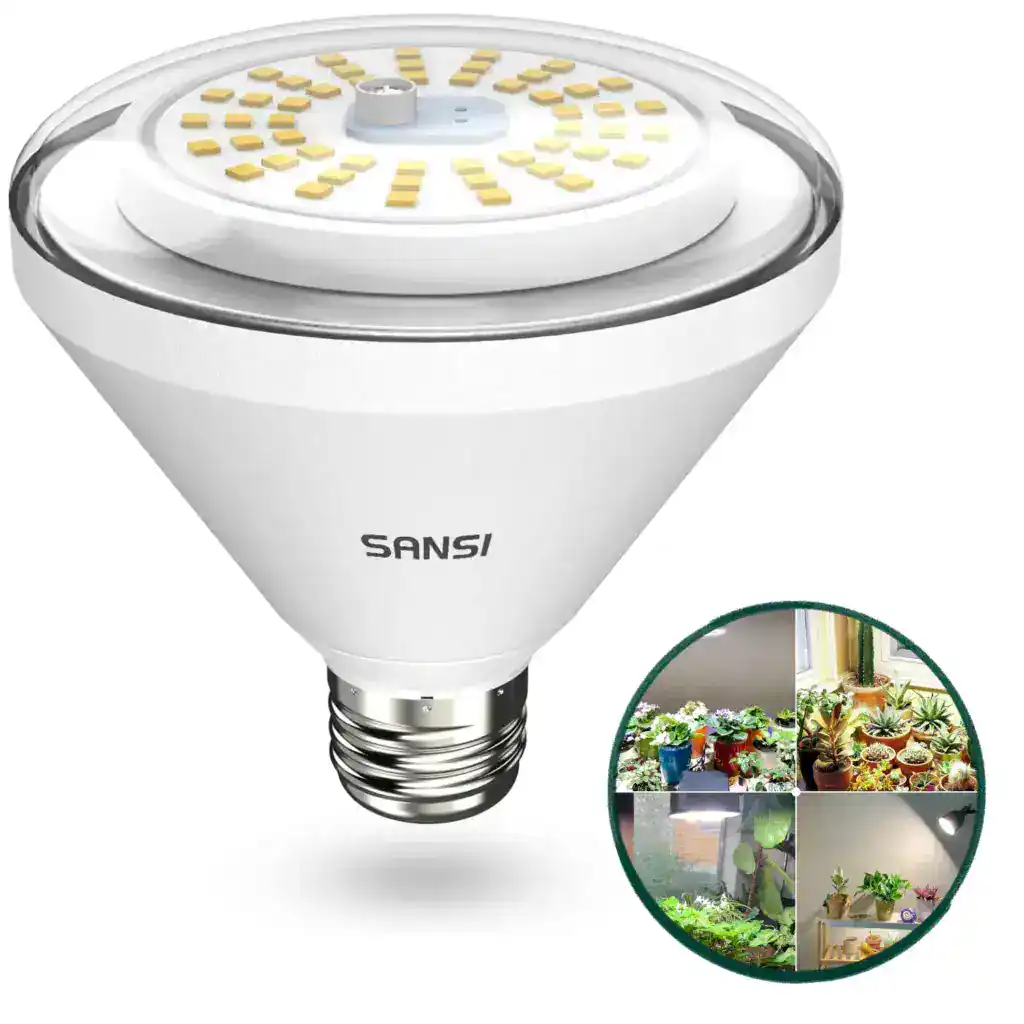
Best for: Houseplants that don’t receive enough natural light, For example, Low-light rooms and supplemental lighting.
Our verdict: ⭐ Best simple grow-light option for individual plants
7. Hygrometer
Our Pick: ThermoPro TP49
Before buying a humidifier, it makes sense to find out how humid your room actually is.
The ThermoPro TP49 is a small digital thermometer and hygrometer that lets you monitor temperature and relative humidity.
This is particularly useful for tropical plants because indoor conditions can vary considerably from one room to another.
Rather than guessing:
“This room feels dry.”
you can actually monitor the humidity.
Keep in mind that increasing humidity is not a universal solution for every houseplant problem. Light, watering, temperature, airflow, and soil conditions remain important.
If your room is consistently dry, see our guide to the best humidifiers for plants.

Best for: Monitoring indoor humidity around houseplants.
Our verdict: ⭐ Best simple humidity monitor
8. Plant Ties
Our Pick: VELCRO Brand Garden Ties
Fast-growing climbing plants eventually need some form of support.
VELCRO Brand Garden Ties are reusable and adjustable, making them useful for securing stems to stakes, moss poles, trellises, and other supports.
They’re especially useful for:
- Monstera
- Philodendron
- Pothos
- Hoyas
- Climbing plants
- Tall top-heavy plants
Avoid tying stems too tightly. Plants continue to grow, and a restrictive tie can eventually damage the stem.

Best for: Supporting climbing and vining houseplants.
Our verdict: ⭐ Best reusable plant tie
9. Repotting Mat
Our Pick: Onlysuki Repotting Mat
Repotting is one of the least convenient parts of indoor gardening.
A waterproof Onlysuki Repotting Mat gives you a dedicated surface for working with soil while keeping the mess contained.
It’s useful for:
- Repotting
- Propagation
- Mixing potting soil
- Dividing plants
- Cleaning up after soil work
The mat isn’t going to make your plants healthier by itself, but it makes routine plant maintenance easier—which means you’re more likely to actually do it.
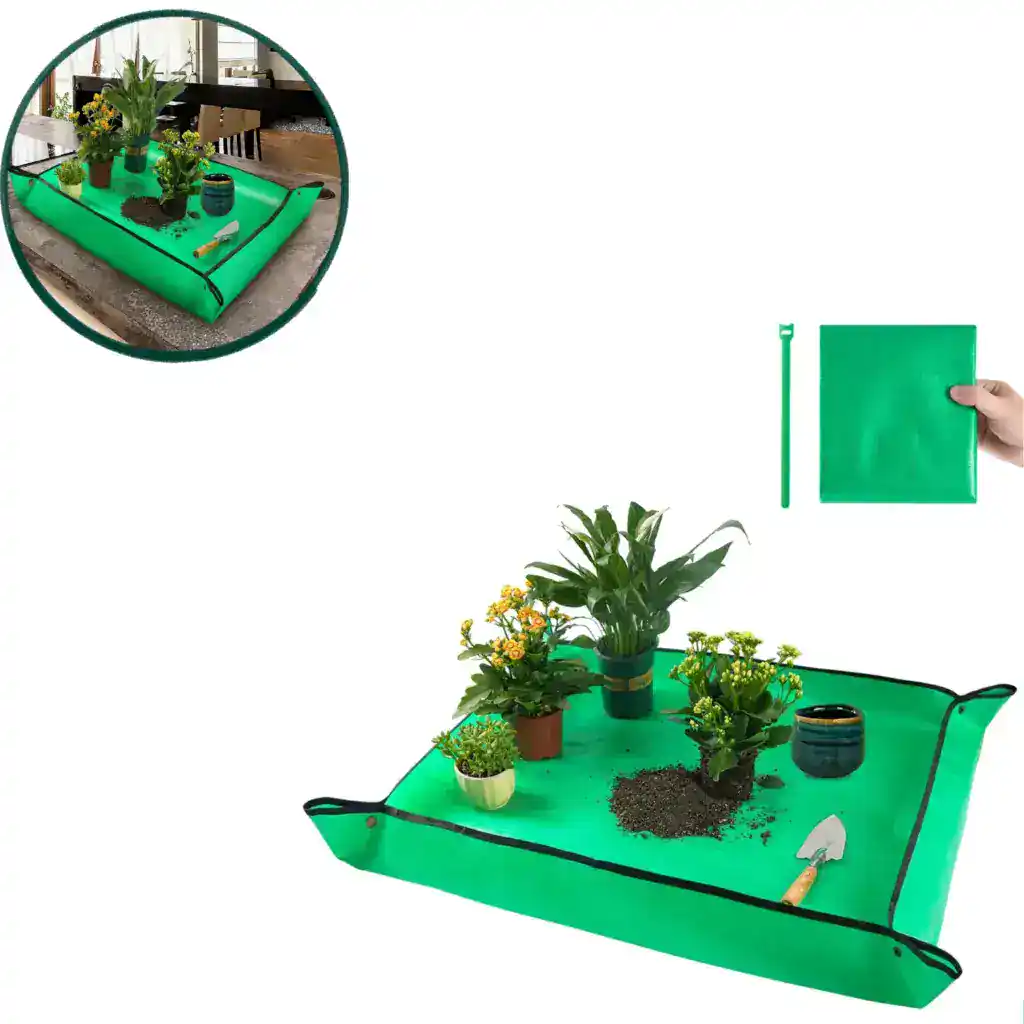
Best for: Repotting plants indoors without spreading soil everywhere.
Our verdict: ⭐ Best simple repotting accessory
10. Gardening Gloves
Our Pick: Vgo Gardening Gloves
You don’t technically need gardening gloves for houseplants, but once you start repotting several plants, you’ll probably appreciate having them.
Vgo Gardening Gloves provide hand protection while still allowing enough dexterity for ordinary plant-care tasks.
They’re useful for:
- Handling potting soil
- Repotting
- Cleaning pots
- Pruning
- Moving plants
- Working with rough growing media
If you’re working with particularly thorny plants, choose gloves specifically designed for that type of protection.
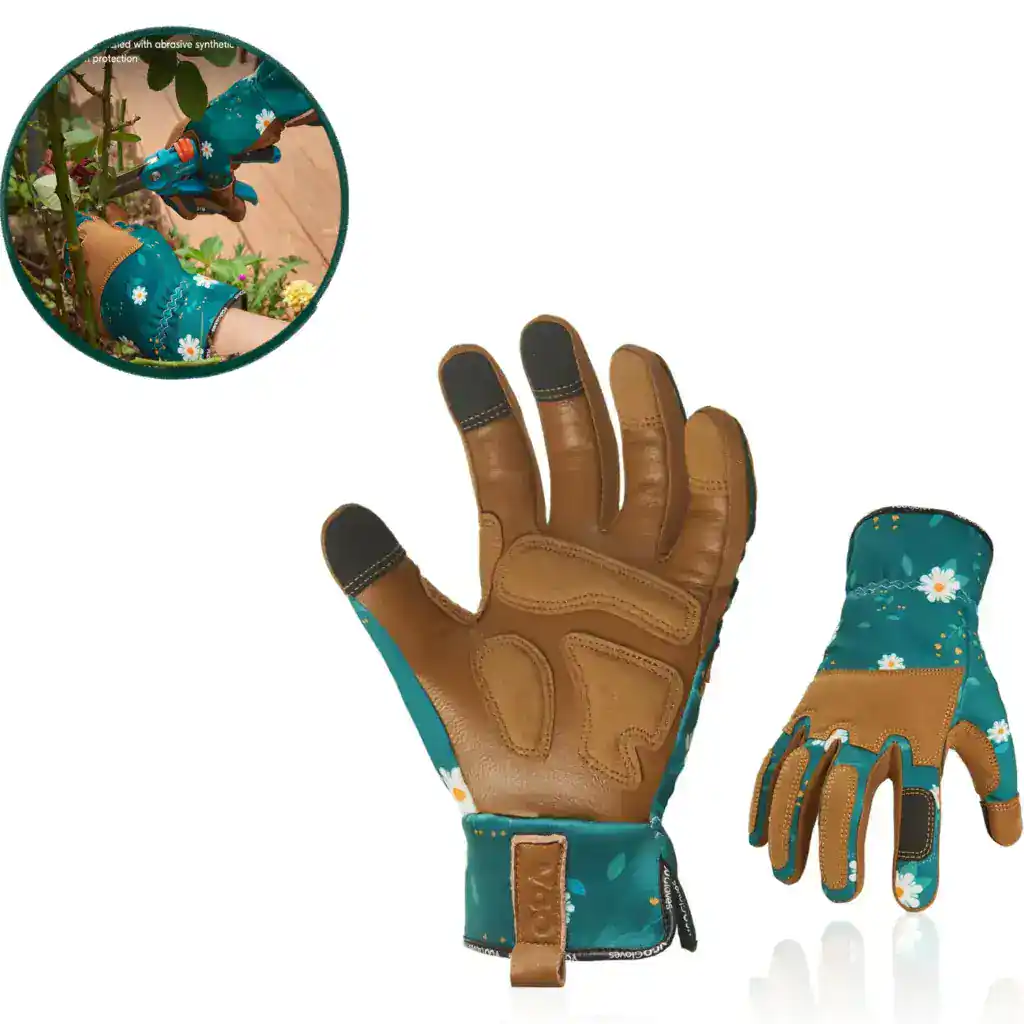
Best for: Handling soil, repotting, pruning, and general plant maintenance.
Our verdict: ⭐ Best practical everyday gloves
Which Indoor Plant Care Products Do You Actually Need?
You don’t need to buy all ten products at once.
If you’re starting your first indoor plant collection, I’d prioritize:
Start with these five
1. Haws Handy Indoor Watering Can: For controlled watering.
2. Tennedriv Green Soil Moisture Meter: Especially useful while you’re learning how quickly your plants’ soil dries.
3. Fiskars Micro-Tip Pruning Snips: For routine pruning and removing damaged growth.
4. Dyna-Gro Foliage-Pro: For feeding suitable foliage plants during active growth.
5. Garsum Yellow Sticky Traps: Cheap insurance for monitoring flying pests. Then buy the other products when your plants actually need them.
- Add a grow light if your home is too dark.
- Add a hygrometer if humidity is a concern.
- Add plant ties if your plants climb.
- Add a repotting mat if you regularly work with soil indoors.
This is a much better approach than buying a huge “plant-care kit” simply because it contains 30 different tools.
Useful Indoor Plant Accessories That Aren’t Essential
Not every useful plant-related product belongs in an essential plant-care kit.
Plant Stands
A plant stand can help you position plants closer to an appropriate light source and organize a collection. But the stand itself doesn’t improve plant health.
Use one when: You need better plant placement or organization.
Decorative Planters
Decorative pots can make your plants look much better, but they’re primarily an aesthetic purchase. Always make sure the actual growing container has appropriate drainage.
Use one when: You want to improve the appearance of your indoor garden.
Terrariums
Terrariums can be excellent for certain humidity-loving plants, but they aren’t necessary for ordinary houseplant care.
Use one when: You’re specifically growing plants suited to terrarium conditions.
How We Chose These Indoor Plant Care Products
We focused on products that solve common indoor plant-care problems rather than simply adding more gadgets to the list. Our criteria included:
- Practical usefulness
- Suitability for indoor plants
- Ease of use
- Relevance to common houseplant problems
- Availability from major retailers
- Whether the product has a clear purpose
- Whether a beginner can realistically benefit from it
We also avoided treating decorative products as essential plant-care equipment.
Important: Product prices, availability, ratings, and specifications can change. Check the current Amazon listing before purchasing.
Common Mistakes When Buying Plant Care Products
1. Buying a product before identifying the problem
- Yellow leaves don’t automatically mean a plant needs fertilizer.
- A drooping plant doesn’t automatically need water.
- Leggy growth doesn’t automatically mean the plant needs fertilizer either.
- Identify the underlying problem first.
2. Buying too many specialized fertilizers
Most plant owners don’t need a separate bottle of fertilizer for every plant. Start with a suitable general-purpose fertilizer and only move to specialized formulas when a particular plant actually benefits from one.
3. Assuming a moisture meter replaces plant knowledge
It doesn’t. Use the Tennedriv Green meter as an additional tool, not an automatic watering command.
4. Buying a grow light without considering distance
A grow light’s effectiveness depends on its intensity, distance from the foliage, coverage, and duration. Putting a powerful light extremely close to a plant can cause problems just as insufficient light can.
5. Buying decorative products before solving environmental problems
- A beautiful planter won’t fix poor drainage.
- A plant stand won’t fix insufficient light.
- A humidifier won’t fix constantly wet soil.
- Solve the growing problem first.
Frequently Asked Questions
For most houseplant owners, the most useful products are a quality watering can, pruning snips, a suitable fertilizer, a moisture meter, and basic pest-monitoring supplies. Grow lights, hygrometers, and plant supports become useful depending on your growing conditions.
Our pick is the Haws Handy Indoor Watering Can because its compact design and controlled spout make it practical for watering smaller indoor pots. Haws also offers several indoor sizes and spout designs for different collections.
It can be particularly useful for beginners and for plants growing in larger containers. It provides an additional indication of moisture deeper in the pot, but you should still consider the plant species, potting mix, drainage, and environment before watering.
For general foliage plants, Dyna-Gro Foliage-Pro 9-3-6 is a strong option to consider because it provides a broad nutrient profile suitable for many foliage houseplants. Always follow the product’s application instructions. For more options, see our best fertilizers for indoor plants guide.
Not always. Plants that receive sufficient natural light may not need supplemental lighting. A grow light becomes useful when the available natural light isn’t enough for the plant’s requirements.
For a simple single-bulb setup, the SANSI LED Grow Light Bulb is a practical option to consider. For shelves containing several plants, a dedicated bar-style grow light may provide more uniform coverage.
Yellow sticky traps such as Garsum Yellow Sticky Traps can catch adult flying fungus gnats and help you monitor the problem. However, traps alone may not solve an infestation if the growing medium remains excessively wet.
You don’t need one, but a hygrometer can be useful if you grow tropical plants or live in a particularly dry indoor environment. The ThermoPro TP49 is a simple option for monitoring temperature and relative humidity.
Start with a suitable watering can and pruning tool. Then add a moisture meter and fertilizer if needed. If your home has inadequate natural light, prioritize a grow light rather than buying decorative accessories.
Final Thoughts
You don’t need an expensive collection of plant gadgets to grow healthy houseplants. A few well-chosen indoor plant care products can cover most routine needs:
Watering can → Soil moisture meter → Fiskars pruning snips → fertilizer → pest traps → supplemental lighting when necessary.
From there, add products based on the actual conditions in your home.
If you’re dealing with a specific problem rather than simply building a plant-care kit, our guides on houseplant mistakes, low-light indoor plants, plant humidity, and leggy succulents can help you diagnose the problem before spending money on another product.