
Snake Plant Varieties: 16 Unique Types for Your Home

Snake plants are more than just “easy houseplants.” With over 70 varieties, they come in shapes, colors, and sizes that can transform a room’s mood—from bold architectural forms to playful compact rosettes.
Over the years, I’ve grown dozens of types in my own home, and what I’ve learned is this: each one has its own personality. Some stand tall and dramatic, others twist and curl, and a few even surprise you with blooms.
In this guide, I’ll walk you through 16 of the most striking and beginner-friendly snake plant varieties, giving you not just their looks, but also little quirks and care tips you’ll only notice once you live with them.
While each variety is unique, mastering the basics of how to care for snake plants will ensure every type in your collection thrives. Whether you’re new to houseplants or adding to a growing collection, you’ll find a snake plant here that fits your style, space, and lifestyle.
🎯 QUICK ANSWER
The most popular snake plant varieties include:
Sansevieria Laurentii (gold-edged, classic),
Sansevieria Trifasciata (bold green, beginner-friendly),
Bird’s Nest (compact rosette), Cylindrica (cylindrical spears),
and Moonshine (silver-gray). With 70+ varieties available,
they range from 4-inch desk plants to 4-foot floor statements.
| Variety | Size | Light Needs | Beginner-Friendly | Rarity |
|---|---|---|---|---|
| Laurentii | 2–4 ft | Low–Bright indirect | ⭐⭐⭐⭐⭐ | Common |
| Trifasciata | 2–3 ft | Low–Bright indirect | ⭐⭐⭐⭐⭐ | Common |
| Bird’s Nest | 6–12 in | Low–Medium | ⭐⭐⭐⭐⭐ | Common |
| Cylindrica | 2–3 ft | Bright indirect | ⭐⭐⭐⭐ | Common |
| Moonshine | 1–2 ft | Bright indirect | ⭐⭐⭐⭐ | Moderate |
| Whale Fin | 2–4 ft | Medium–Bright | ⭐⭐⭐ | Rare |
| Bantel’s Sensation | 2–3 ft | Bright indirect | ⭐⭐⭐ | Rare |
| Cleopatra | 6–10 in | Bright indirect | ⭐⭐⭐ | Very Rare |
16 Popular Snake Plant Varieties
Whether you prefer tall and bold varieties or compact and decorative ones, there’s a snake plant variety perfect for every indoor space. Below are some of the most popular and unique types you can grow at home.
1. Dracaena trifasciata ‘Laurentii’

The classic snake plant most people picture. Its golden-edged leaves make it feel like a “living frame” of greenery in the room. I often recommend it to new plant parents because it’s tough but still looks elegant.
- Growth Speed: Moderate
- Max Height: Up to 4 feet
- Best For: Adding height and structure to corners or hallways
- Quirk: The yellow edges glow even brighter in natural light
- Pro Tip: Rotate the pot monthly to keep the tall leaves from leaning toward the sun
2. Dracaena trifasciata ‘Moonshine’
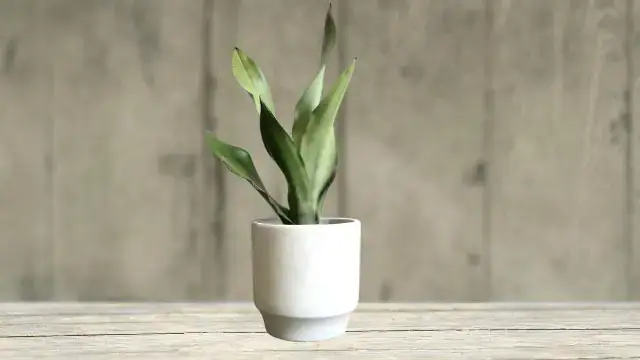
This one has a soft, silvery glow that almost changes mood with the light. New leaves come in nearly white, then mellow into pale green—it’s like watching phases of the moon.
- Growth Speed: Moderate to fast
- Max Height: Around 2 feet
- Best For: Bright rooms where you want a calming, modern vibe
- Quirk: Leaves darken with age, giving a layered color effect
- Pro Tip: Keep it in brighter light if you want to preserve that silvery sheen
3. Dracaena trifasciata ‘Hahnii’

Compact and nest-like, this variety stays small and playful. It’s often overlooked, but I think of it as the “coffee table snake plant.”
- Growth Speed: Fast for a snake plant
- Max Height: About 1.5 feet
- Best For: Small apartments, desks, or shelf styling
- Quirk: Its rosette shape naturally traps dust—wipe it more often than taller types
- Pro Tip: Plant a few together for a lush, layered look
4. Dracaena trifasciata ‘Bantel’s Sensation’
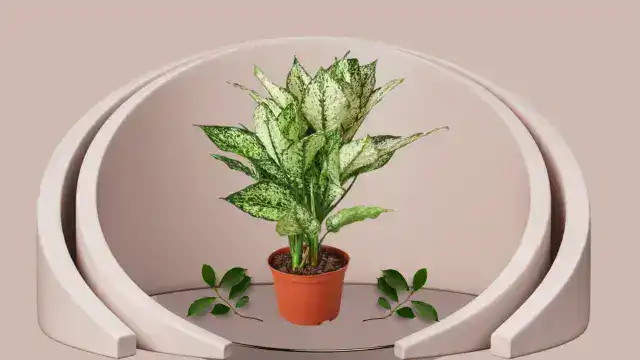
Elegant and slim, with clean white stripes, this is the minimalist’s dream snake plant. Its narrow form makes it look almost architectural.
- Growth Speed: Slow
- Max Height: 3 feet
- Best For: Modern interiors with neutral palettes
- Quirk: More sensitive to low light compared to other varieties
- Pro Tip: Give it steady, bright light to keep the white striping crisp
5. Dracaena trifasciata ‘Futura Robusta’
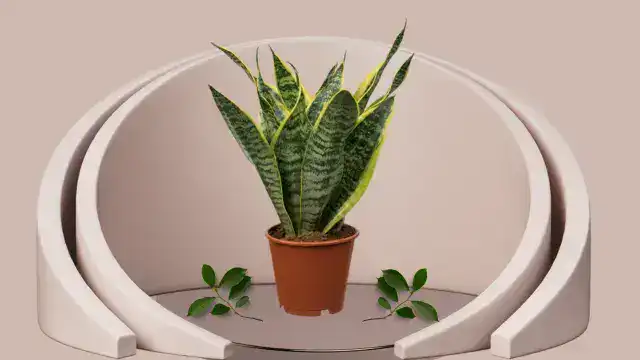
Short and sturdy, this variety is often mistaken for a younger plant, but it simply grows squat and bushy. I love it for entryways where it won’t block views.
- Growth Speed: Moderate
- Max Height: 2 feet
- Best For: Tight spaces or layering with taller plants
- Quirk: Leaves look almost metallic under certain light
- Pro Tip: Works beautifully as a “filler” plant in mixed arrangements
6. Dracaena masoniana ‘Whale Fin’
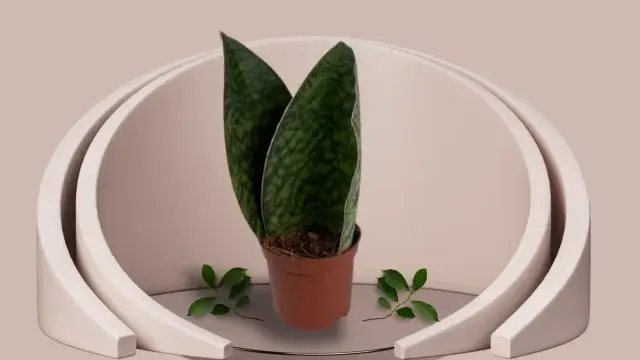
The showstopper. A single paddle-shaped leaf can dominate an entire corner. It’s slow, but each leaf feels like a sculptural statement piece.
- Growth Speed: Very slow
- Max Height: 4 feet
- Best For: Making one dramatic focal point indoors
- Quirk: Sometimes puts out just one leaf for months—don’t panic, it’s normal
- Pro Tip: Pair with a minimal pot to let the leaf steal the show
7. Dracaena pethera (Sansevieria kirkii)
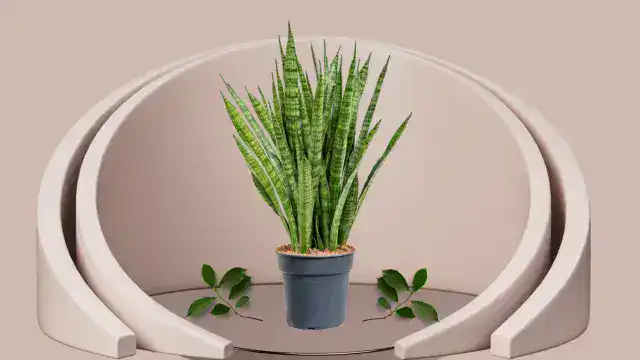
This one has wavy, textured leaves with reddish edges, giving it a slightly “wild” look. It feels less rigid than most snake plants.
- Growth Speed: Moderate
- Max Height: 3 feet
- Best For: Plant parents who like a more natural, untamed style
- Quirk: Leaf patterns shift as it matures—older leaves can look completely different
- Pro Tip: Best color shows when grown in medium to bright light
8. Dracaena patens

Curly and twisting, this is the snake plant that refuses to stand in line. It gives off a jungle vibe with its unpredictable growth.
- Growth Speed: Moderate
- Max Height: 3 feet
- Best For: Adding movement and texture to a plant display
- Quirk: Leaves change direction as they grow, no two look alike
- Pro Tip: Works well in a hanging planter where the curls can spill outward
9. Dracaena ballyi

A miniature variety that feels almost like a bonsai version of a snake plant. Its tube-shaped leaves with red tips add a punch of character.
- Growth Speed: Slow
- Max Height: 6 inches
- Best For: Terrariums, desktops, or tiny apartments
- Quirk: Looks surprisingly dramatic in groups despite its size
- Pro Tip: Let it dry completely between waterings—it’s extra sensitive to rot
10. Dracaena hanningtonii

Also called the blue sword snake plant, this one is statuesque with a cooler, bluish-green tone. It has a regal symmetry when grown in clusters.
- Growth Speed: Slow to moderate
- Max Height: 5 feet
- Best For: Tall floor planters in modern living rooms
- Quirk: Appears slightly different shades of blue depending on light
- Pro Tip: Looks best in sleek, tall planters that match its vertical form
11. Dracaena parva
Known as the Kenya Hyacinth, this is one of the few snake plants that might surprise you with flowers. The leaves are slim and elegant.
- Growth Speed: Moderate
- Max Height: 1.5 feet
- Best For: Collectors who want something different from the usual upright forms
- Quirk: When it blooms, it releases a surprisingly sweet fragrance
- Pro Tip: Don’t cut the flower stalk too early—it won’t harm the plant
12. Dracaena zeylanica

A softer, stripey cousin of Laurentii, without the gold trim. It’s understated but still striking, perfect if you prefer subtler variegation.
- Growth Speed: Fast
- Max Height: 3 feet
- Best For: Offices or minimalist homes
- Quirk: Often mistaken for Laurentii until you notice the missing yellow border
- Pro Tip: Easier to grow in lower light compared to the striped varieties
13. Dracaena angolensis

The bold “African Spear.” With its tall, tubular leaves, it looks sculptural even when left untrained—but some people braid them for fun.
- Growth Speed: Slow
- Max Height: 6 feet
- Best For: Statement plants in tall entryways or lofts
- Quirk: Can be trained into braids or spirals, making it unusually versatile
- Pro Tip: If left untrained, give it extra space—those spears spread wide
14. Dracaena angolensis ‘Starfish’
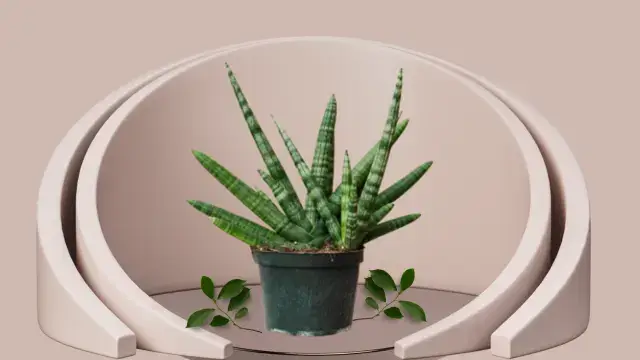
This quirky little cultivar fans its stubby leaves out like a sea star. It’s playful and sculptural in a way few plants are.
- Growth Speed: Very slow
- Max Height: 1 foot
- Best For: Small tables, bookshelves, or gift plants
- Quirk: Its symmetrical star shape holds for years with minimal change
- Pro Tip: Don’t overpot it—it actually looks better slightly rootbound
15. Dracaena trifasciata ‘Twisted Sister’
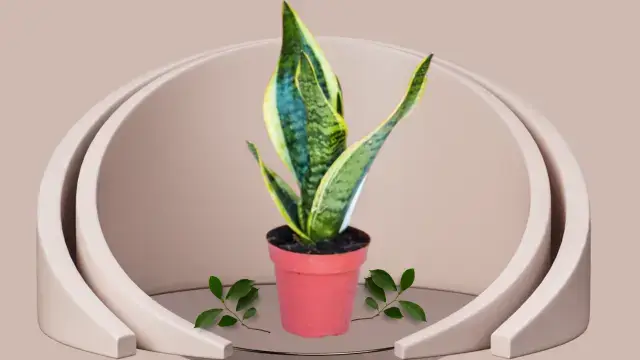
The “personality plant.” Its green and gold leaves curl and spiral like ribbons, making it one of the liveliest-looking snake plants.
- Growth Speed: Moderate
- Max Height: 1 foot
- Best For: Fun accent plant in living rooms or kitchens
- Quirk: Each leaf twists differently, so no two plants ever look alike
- Pro Tip: Looks amazing in bright light, which brings out the variegation
16. Dracaena elliptica var. ‘Cleopatra’
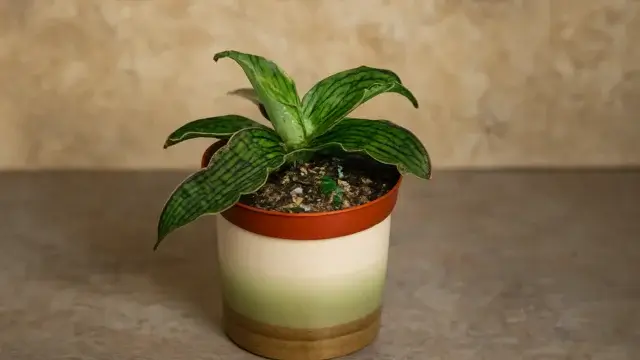
This is the crown jewel for collectors. ‘Cleopatra’ has intricate, almost mosaic-like leaf patterns with fine dark green lines bordered by reddish edges. It looks less like a typical snake plant and more like a living piece of art.
- Growth Speed: Very slow (patience required)
- Max Height: 1–2 feet
- Best For: Collectors or anyone wanting a statement piece that feels rare and exotic
- Quirk: Its patterned leaves are so detailed they almost look hand-drawn
- Pro Tip: Because it’s rarer and slower-growing, give it bright, indirect light and extra attention to drainage—it’s less forgiving of soggy soil than common varieties
FAQs
How many snake plant varieties are there?
There are over 70 recognized snake plant varieties (Sansevieria/Dracaena), though only about 15-20 are commonly available in plant shops. The most popular include Laurentii, Trifasciata, Bird’s Nest, Cylindrica, and Moonshine.
What is the rarest snake plant variety?
The rarest commonly sought-after varieties are Cleopatra (intricate geometric patterns), Bantel’s Sensation (narrow white-striped leaves), and the Whale Fin (single enormous paddle-shaped leaf). The Whale Fin in particular can sell for $50–$150+ for a single leaf.
Which snake plant variety is best for low light?
Sansevieria Trifasciata and Laurentii tolerate the lowest light conditions. Bird’s Nest varieties also handle low light well. Avoid placing Moonshine or Bantel’s Sensation in low light — they need brighter conditions to maintain their distinctive coloring.
What is the smallest snake plant variety?
Bird’s Nest snake plants (Sansevieria Hahnii) are the smallest, typically reaching only 6–12 inches tall. They grow in a rosette pattern and are perfect for desks and small shelves.
Can all snake plant varieties be propagated the same way?
Most varieties can be propagated by leaf cuttings or division. However, variegated varieties like Laurentii must be propagated by division only — leaf cuttings will produce all-green offspring without the gold edges.
Are all snake plant varieties safe for pets?
No. All snake plant varieties contain saponins, which are toxic to cats and dogs. Symptoms include vomiting, drooling, and nausea. Keep all varieties out of reach of pets.
Final Thoughts: Choosing Your Perfect Snake Plant
What I love most about snake plants is their versatility. They thrive in apartments and offices just as well as in sunny living rooms. Some are compact and perfect for shelves, while others tower over furniture like living sculptures.
When you’re choosing your variety, think about more than just appearance—consider your space, the light you have, and the kind of energy you want it to bring into your home.
👉 If you’re after something bold and iconic, Laurentii or Whale Fin are hard to beat.
👉 If you want calming tones, Moonshine or Zeylanica are gentle and elegant.
👉 For playful accents, Twisted Sister or Starfish bring character into smaller spots.
No matter which you pick, snake plants share the same gift: they’re resilient, forgiving, and timeless. With just a little care, they’ll reward you with strong, glossy leaves for years to come.
So—what’s your perfect match? Let me know your favorite variety in the comments below. I’d love to hear which one stole your heart.