
Monstera Care Guide: How to Care for a Healthy, Lush Monstera Indoors

After growing multiple Monsteras in my home for years—and making plenty of the common mistakes along the way—I’ve learned that healthy, lush growth comes down to getting a few basics right consistently. Light, watering, airy soil, and enough room and support as the plant matures matter far more than any single product or care trick.
Quick answer: Keep your Monstera in bright, indirect light, water when the top 1–2 inches of soil are dry, use a chunky, well-draining potting mix, and give mature plants sturdy vertical support. Good light and patience are especially important if you want larger leaves and natural fenestrations.
Monstera Care at a Glance
| Feature | Details |
|---|---|
| Botanical Name | Monstera deliciosa |
| Common Name | Swiss cheese plant |
| Light | Bright indirect |
| Water | When top 1–2 inches of soil are dry |
| Soil | Chunky, well-draining aroid mix |
| Humidity | Adapts to average household humidity; very dry air can slow growth |
| Temperature | Typical indoor temperatures (avoid drafts) |
| Support | Moss pole, trellis, or sturdy stake |
| Toxicity | Toxic to cats and dogs (calcium oxalate crystals) |
| Indoor Height | Can reach 6–8 feet or more when mature, depending on growing conditions and support |
What a Monstera Needs to Grow Well Indoors
Monstera deliciosa is a tropical climbing plant in the Araceae family. In nature, it uses aerial roots to attach to trees and climbs toward better light. Young plants usually produce smaller, solid leaves, while mature plants can develop much larger leaves with natural fenestrations.
That climbing habit is important indoors. A Monstera needs enough light to support healthy growth, and mature plants benefit from vertical support as they get taller and heavier. Understanding how the plant naturally grows also explains why a moss pole or other support can help with structure, while light and maturity—not a support pole alone—are what matter most for developing larger, fenestrated leaves.
Monstera deliciosa vs. Other Monstera Types
This guide focuses primarily on Monstera deliciosa, the common Swiss cheese plant grown indoors. Other Monsteras, such as Monstera adansonii and Monstera deliciosa ‘Thai Constellation’, can have different growth habits or care considerations.
Monstera obliqua has very different characteristics from the commonly grown M. deliciosa, while distinguishing obliqua from adansonii can also be confusing for newer growers. See our guides to Monstera obliqua care and Monstera obliqua vs. adansonii for those specific questions.

How Much Light Does a Monstera Need?
Bright, indirect light is one of the most important factors for healthy Monstera growth indoors. In my own plants, moving a Monstera from a dim corner to a bright east-facing window has made a bigger difference in leaf size and splitting than any other single change.
The best location is usually close to a bright window where the plant receives plenty of natural light without being exposed to harsh afternoon sun for long periods.
- East-facing window: Usually an excellent choice because it provides bright morning light.
- South- or west-facing window: Can work well if the Monstera is set back a few feet from the glass or protected by a sheer curtain.
- North-facing window: Often provides less light than a Monstera needs for vigorous growth, especially when the plant is several feet away from the window.
Too little light can lead to smaller leaves, longer spaces between leaves (internodes), slower growth, and delayed or absent fenestrations. Strong direct afternoon sun, particularly through hot glass, can scorch the leaves.

How Often Should You Water a Monstera?
Water your Monstera when the top 1–2 inches of soil have dried out. In a large pot, you may need to let the soil dry somewhat deeper before watering. There is no reliable calendar-based schedule because watering needs change with light, temperature, season, pot size, and the type of potting mix.
How to Know When Your Monstera Needs Water
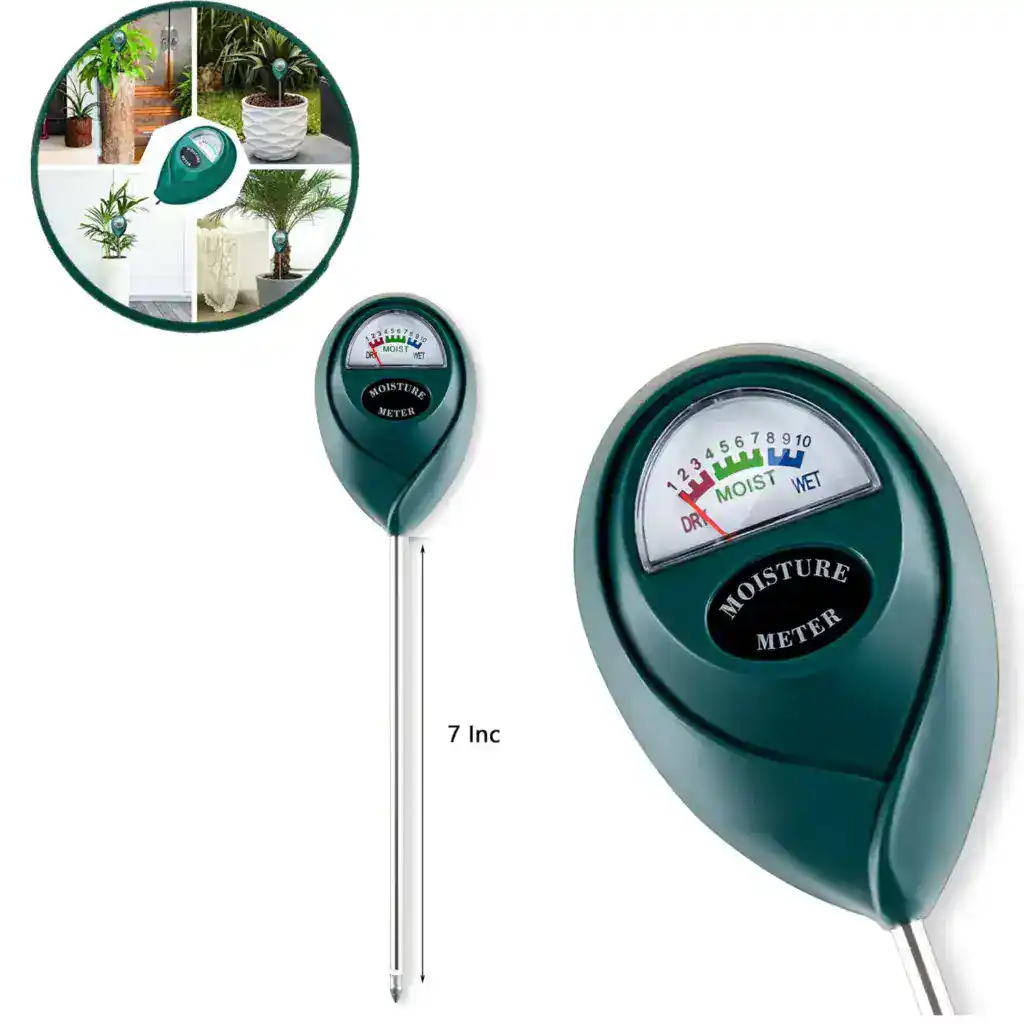
Check the soil before watering rather than relying on a weekly routine. Push your finger into the top layer of soil or use a wooden skewer to check for moisture below the surface. If the soil still feels noticeably damp, wait and check again later.
When the upper layer has dried, water thoroughly until excess water drains from the bottom of the pot. This fully moistens the root ball instead of leaving dry pockets in the soil.
Knowing how to tell if a Monstera plant needs water is more reliable than following a fixed weekly schedule.
How to Water a Monstera Properly
Water slowly and thoroughly, allowing excess water to drain through the drainage holes. Empty the saucer afterward rather than leaving the pot sitting in standing water.
Small water droplets along the edges of the leaves the morning after watering can sometimes occur. This is called guttation and is a normal way for the plant to release excess moisture.
Overwatering is a common cause of Monstera decline because constantly wet soil can damage the roots. Underwatering is more likely to cause drooping or crispy leaf edges. Always check the soil first before changing your watering routine.
What Soil Is Best for Monstera?
A Monstera does best in a chunky, airy, well-draining potting mix that holds some moisture without staying wet around the roots for too long.
A simple starting mix is:
- 2 parts indoor potting mix
- 1 part orchid bark
- 1 part perlite or pumice
The exact ratio does not need to be perfect. The goal is a mix that drains freely and has enough air space around the roots. If your soil stays wet for many days after watering, the mix may be too dense for your growing conditions.
What Makes a Good Monstera Soil Mix?
Look for a potting mix that feels loose and drains readily rather than compacting around the roots. Orchid bark helps create larger air pockets, while perlite or pumice improves drainage and keeps the mix from becoming too dense.
Your pot also matters. Always use a container with drainage holes so excess water can escape after watering.
If your Monstera stays wet for too long, Monstera drainage hacks can help you improve airflow and drainage around the roots.


Humidity and Temperature
Monsteras adapt well to average household humidity, so you do not need to create tropical conditions for the plant to grow well indoors.
Very dry air, especially during winter, can contribute to crispy leaf edges and slower growth. If the air in your home is consistently dry, ways to increase humidity for houseplants can help you choose a more consistent approach than occasional misting.
Keep your Monstera at typical comfortable indoor temperatures and protect it from cold drafts, heating vents, and direct airflow from air-conditioning units.
The goal is consistency rather than chasing a specific humidity number. If the plant is growing well and its leaves look healthy, there is usually no need to change the humidity simply to reach a particular percentage.

How to Fertilize a Monstera
Fertilize your Monstera during active growth, usually from spring through early fall. A balanced liquid houseplant fertilizer works well when diluted according to the product’s instructions.
You do not need to fertilize on a rigid schedule. If growth slows significantly in fall or winter, reduce or stop feeding until the plant becomes active again.
Avoid using more fertilizer than recommended. Excess fertilizer can build up in the soil and contribute to root stress or leaf problems.
For established plants that are actively producing new leaves, consistent light, healthy roots, and appropriate watering matter just as much as feeding.

Seasonal Monstera Care
Your Monstera’s care needs change with its growth rate, indoor temperature, and available light. Use the seasons as a general guide, but always check the soil before watering.
- Spring: Growth usually resumes. Increase watering as the soil begins drying faster, resume fertilizing, and check whether the plant needs repotting or additional support.
- Summer: Growth is often strongest. Maintain good light and water as needed. If air-conditioning makes the room unusually dry, watch for crispy leaf edges.
- Fall: Growth may begin to slow. Reduce watering as the soil takes longer to dry and reduce or stop fertilizer when growth slows significantly.
- Winter: Growth is often minimal. Water less frequently based on soil moisture, keep the plant in its brightest available indirect light, and protect it from cold drafts and dry heating air.
The most useful rule is simple: check the plant and its soil rather than following a calendar.
How to Help Your Monstera Grow Larger Leaves
Large Monstera leaves come from healthy growth and maturity, not from a single product or trick.
Focus on the fundamentals:
- Give the plant consistent bright, indirect light.
- Let it mature rather than expecting juvenile plants to produce giant leaves immediately.
- Provide sturdy vertical support as the plant develops a climbing habit.
- Keep the roots healthy with appropriate watering and well-draining soil.
- Feed during active growth when the plant is actively producing new growth.
- Give it time.
As a mature plant develops, its size can eventually become a practical issue indoors, especially when long stems begin competing for light and space. This is where what to do when a Monstera gets too big becomes useful.
In my experience, light and maturity make a much bigger difference to leaf size than any single product or care shortcut.
Why Aren’t My Monstera Leaves Splitting?
Young Monsteras commonly produce solid leaves. As the plant matures, receives enough light, and develops a climbing growth habit, newer leaves can begin producing natural fenestrations.
If your Monstera is producing small leaves with long spaces between them, insufficient light may be limiting its development. Improving the light can help the plant produce healthier growth, but it will not make every young leaf split immediately.
Vertical support can also help a mature Monstera climb and produce larger, more mature leaves. However, a moss pole by itself does not cause fenestrations.
If a mature Monstera continues producing solid leaves despite otherwise healthy growth, lack of fenestration deserves a closer look.

Does a Monstera Need a Moss Pole?
A Monstera does not need a moss pole to survive, but mature climbing plants benefit from sturdy vertical support.
You can use a moss pole, coir pole, trellis, or sturdy stakes. The support gives the plant something to climb and helps keep a tall, heavy Monstera upright.
Position the support behind the main climbing stem so the aerial roots can naturally grow toward it. Secure the stem loosely rather than tying the leaves or petioles tightly against the support.
A moss pole is one practical way to train a Monstera to climb, but it is not a shortcut for producing fenestrated leaves.

Best for: Mature Monstera deliciosa that is becoming tall or top-heavy.
What Are Monstera Aerial Roots?
Aerial roots are a normal part of a Monstera’s climbing growth. Indoors, they mainly help the plant anchor itself, although they can also absorb moisture under suitable conditions.
You can guide healthy aerial roots toward a support or into the soil, or simply leave them alone. There is usually no reason to remove healthy aerial roots.
Only trim an aerial root if it is damaged, dead, or causing a practical problem.
When Should You Repot a Monstera?
Repot your Monstera when there is a clear reason to do so rather than simply because a certain amount of time has passed.
Common signs include:
- Roots growing out of the drainage holes
- The plant becoming unstable in its current pot
- Soil drying unusually fast because the root system has become crowded
When repotting, move the plant into a container only about 1–2 inches larger in diameter. A much larger pot can hold excess moisture for longer and make watering harder to judge.
During repotting, keep the new container only slightly larger than the previous one.
How to Propagate a Monstera
To propagate a Monstera, you need a stem cutting that contains at least one viable node. A leaf without a node cannot grow into a new Monstera plant.
Water Propagation
Place the node in water while keeping the leaf above the waterline. Change the water about once a week, or sooner if it becomes cloudy or dirty.
Once the cutting has developed several inches of healthy roots, transfer it to a chunky, well-draining potting mix.
Soil Propagation
Plant the node directly into a chunky, well-draining mix and keep the medium lightly moist while the cutting develops roots.
Keep the cutting in bright, indirect light while it roots and avoid strong direct sunlight. Once it has a healthy root system and begins producing new growth, transition it gradually to normal Monstera care.
A viable node is the key to successful Monstera cuttings.

Common Monstera Problems
| Symptom | Common Causes | What to Do |
|---|---|---|
| Yellow leaves | Overwatering, poor drainage, root issues | Check the soil and roots; allow the soil to dry appropriately if it is staying wet |
| Brown crispy tips or edges | Very dry air, inconsistent watering, salt buildup | Improve consistency and check watering; flush the pot if fertilizer salt buildup is suspected |
| Drooping leaves | Underwatering or overwatering | Check soil moisture before changing your watering routine |
| Small leaves | Low light, juvenile growth, limited climbing | Improve light, provide support when appropriate, and allow the plant to mature |
| Few or no fenestrations | Young plant, insufficient light, immature growth | Improve light and give the plant time to mature |
| Soft or mushy stem/base | Root or stem rot | Unpot the plant and inspect the roots; remove damaged tissue |
| Pests | Mites, mealybugs, thrips, scale | Isolate the plant, inspect the undersides of leaves and new growth, then identify the pest before treating |
How to Diagnose a Monstera Problem
Start with the roots and soil before changing everything else.
Check how wet the soil is, inspect the roots if the plant has remained wet for too long, and then consider light and recent environmental changes.
If the plant is already showing drooping leaves, check the soil before assuming it simply needs more water.
Avoid changing watering, light, fertilizer, humidity, and pot size all at once. Making one meaningful change at a time makes it much easier to understand what actually helped.
Small care problems can also become harder to diagnose when several changes are made at once, which is why avoiding common Monstera care mistakes matters.


Monstera Care FAQ
Water when the upper 1–2 inches of soil feel dry. Larger pots may need to dry somewhat deeper before watering. The exact frequency changes with light, temperature, season, pot size, and potting mix.
Bright, indirect light is ideal. Good light supports healthier growth, larger leaves, and better development of fenestrations as the plant matures.
It can survive in lower light, but growth will usually be slower and leaves may remain smaller with fewer or delayed fenestrations.
Many Monstera deliciosa plants can reach 6–8 feet or more indoors when they have good light, adequate space, and support. Final size depends on the plant, growing conditions, and available space.
Growth varies widely with light, temperature, season, plant maturity, and overall health. An established plant in good conditions can produce several new leaves per year.
The plant may still be young, may not be receiving enough light, or may not yet have developed a mature climbing habit.
Usually no. Healthy aerial roots can be left alone or guided toward a support or into the soil. Remove only damaged or problematic roots.
A chunky, airy, well-draining mix works well. A simple starting ratio is 2 parts indoor potting mix, 1 part orchid bark, and 1 part perlite or pumice.
No, but mature climbing Monsteras benefit from sturdy vertical support. A moss pole is one option, along with a coir pole, trellis, or sturdy stakes.
Repot when roots are becoming crowded, the plant is unstable, or the soil is drying unusually fast. Move it into a pot only slightly larger than the previous one.
No. A viable node is required to produce a new plant.
Yes. Monstera contains insoluble calcium oxalate crystals and should be kept out of reach of cats and dogs.
Yellow leaves are often associated with consistently wet soil, poor drainage, or root problems, although an older leaf can also yellow naturally. Check the soil moisture and root conditions before changing your watering routine.
Final Thoughts
Successful Monstera care is mostly about getting a few fundamentals right consistently: provide bright, indirect light, water according to soil moisture, use an airy and well-draining mix, and give the plant sturdy support as it matures.
If your Monstera is not growing as expected, start with the basics—especially light and soil conditions—before changing several aspects of its care at once.
Give the plant time to mature, and remember that larger leaves and natural fenestrations are the result of healthy, established growth rather than a single product or care trick.
Sources: